
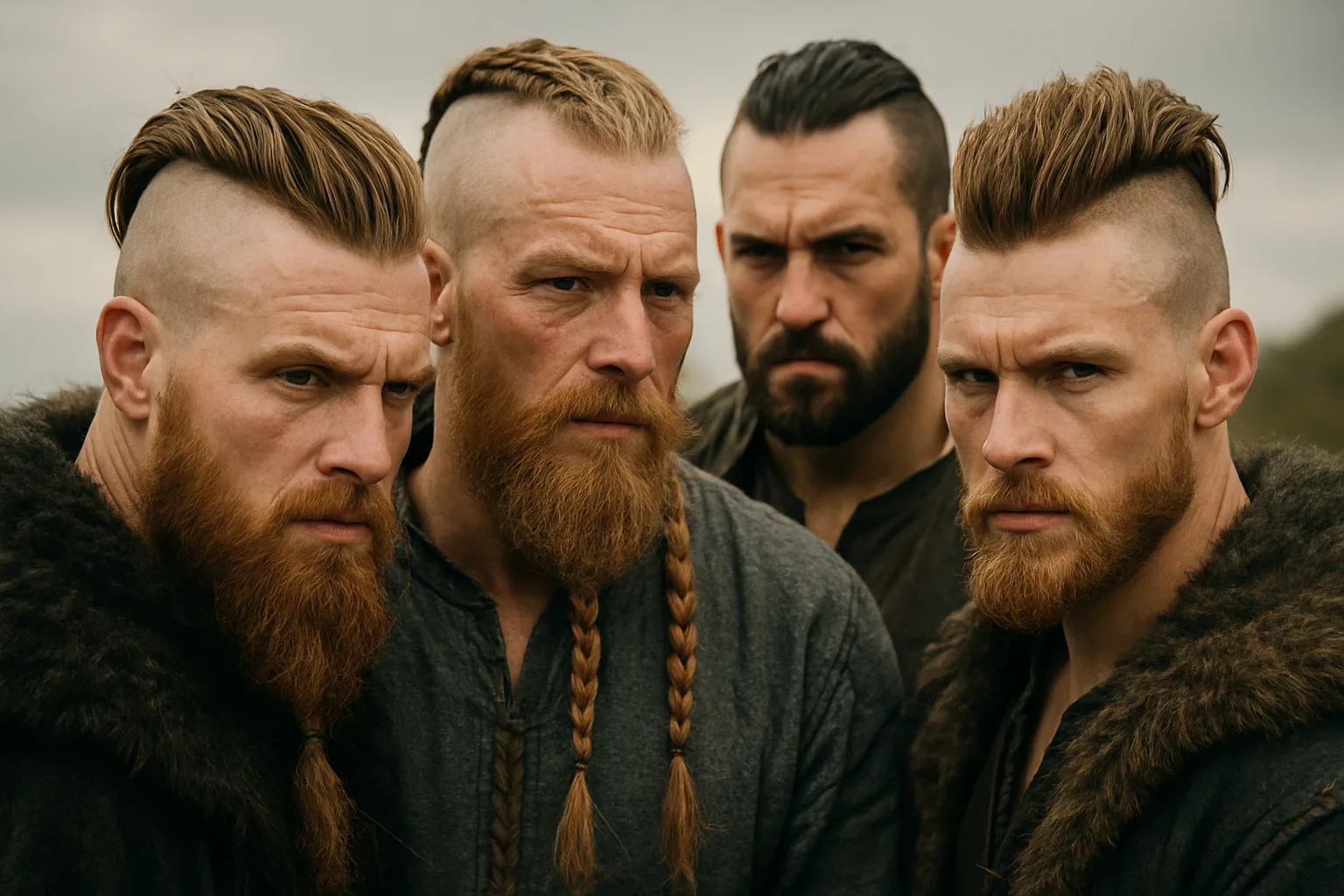
Why the Viking Haircut Is Having a Comeback
Let me paint a scene: you’re scrolling through Instagram, and suddenly you see it—long flowing braids, shaved sides, bold undercuts, and manes that look like they could sail across the sea. The viking haircut trend is back, louder and prouder than ever. But before you storm into your barber with a battle cry, let’s unpack this in the most user‑first, fact-backed, witty way possible.
Why is this style getting attention? Because people want more than just a trim—they want attitude, heritage, and swagger in their hair. The viking haircut isn’t just a style; it’s a (very manageable) statement.

| Attribute | Value / Range |
|---|---|
| Hair length needed | 3 cm (1.2 in) to 30 cm (12 in) on top |
| Side/undercut length | #0 to #2 clipper (0–6 mm) typical |
| Beard (optional) | 1 cm stubble to full shoulder-length beard |
| Maintenance | Every 3–6 weeks for trimming |
| Styling effort | 5–20 minutes daily (depending on complexity) |
| Skill needed at barber | Intermediate to advanced (if braiding, carving) |
Disclaimer: While many modern “viking haircut” trends are inspired by Norse and Scandinavian imagery, they are often stylized, fictional, or loosely adapted from history. Some designs are speculative. This article is for aesthetic and lifestyle purposes—not historical verification of every style.
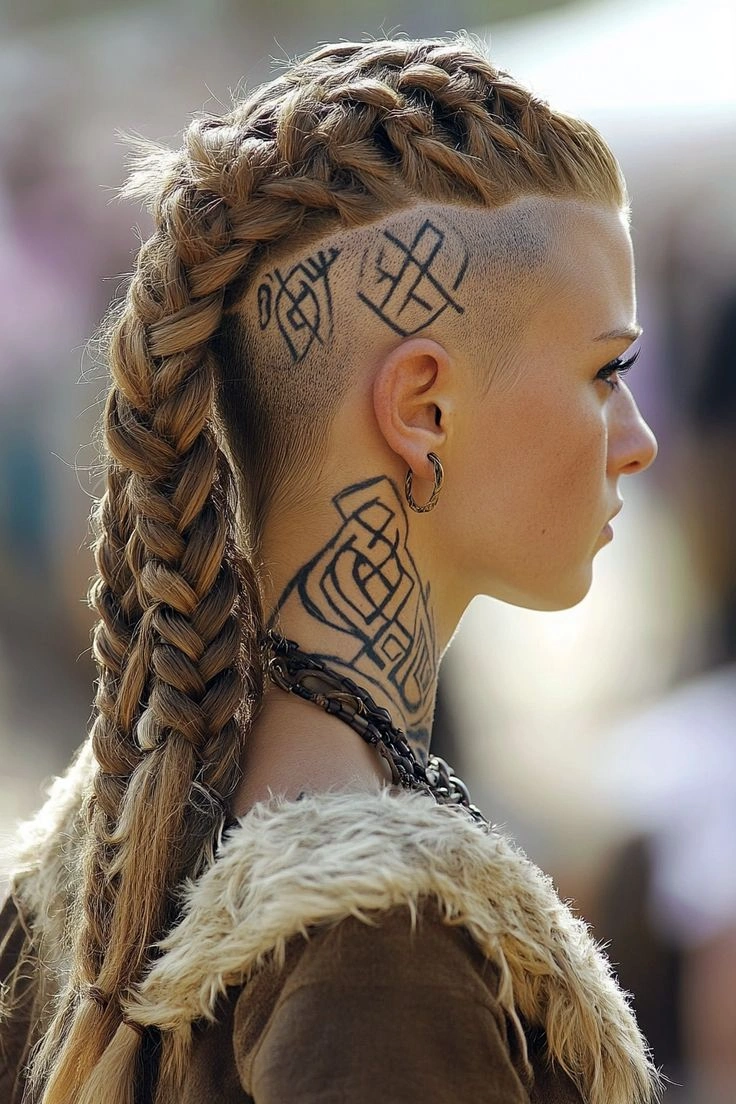
Historical Roots: Did Vikings Actually Wear These Haircuts?
Before your barber shows you a jawline undercut with two braids, let’s get real: how much of the modern viking haircut is historical?
What the sources say
-
Vikings generally had shoulder-length hair and beards, though there was variation by region and status
-
Hairstyles were also a status marker. Wealthy people in Viking-age society took care of grooming, and hair combs have been found in graves (even in non-elite ones) suggesting everyone (to some extent) cared about hair.
-
A fascinating find: a ~1,000-year-old carved game piece (a “king” figure) shows a hairstyle with middle parting, visible ears, and cropped back hair. Some scholars use this as one of the few visual clues to real Viking hair.
-
But: iconic styles like high mohawks, extreme undercuts, or long multi-braids as seen in TV shows are largely creative reinterpretations, not proven by archaeology.
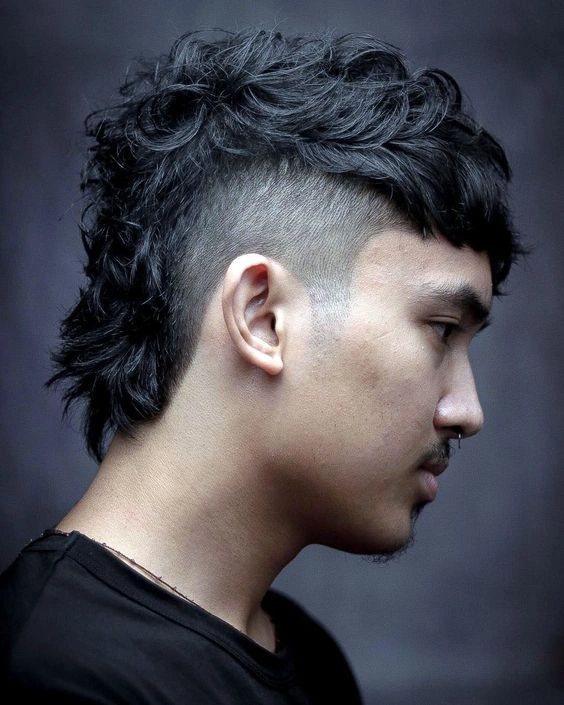
Interpretation and myth vs fact
-
As one analysis put it: “how the f**k do you know what the Vikings looked like.” Viking Rune In other words: we make educated guesses.
-
Some sources note braids likely existed (especially among women), but long, intricate, multi-tier braids in men are weakly attested.
-
A Reddit-based historical discussion notes: “No they didn’t [wear those mohawk/mullet crossovers], … evidence is limited. They absolutely didn’t wear those mohawk/mullet crossovers like in the Viking show.”
Bottom line (user‑first): Many modern viking haircut elements are inspired by Scandinavian visuals and pop culture. If you want pure historical accuracy, your main safe bets are modest undercuts, medium-length hair, or simple braids. But if you like stylized blends—go for it, just know which parts are creative freedom.
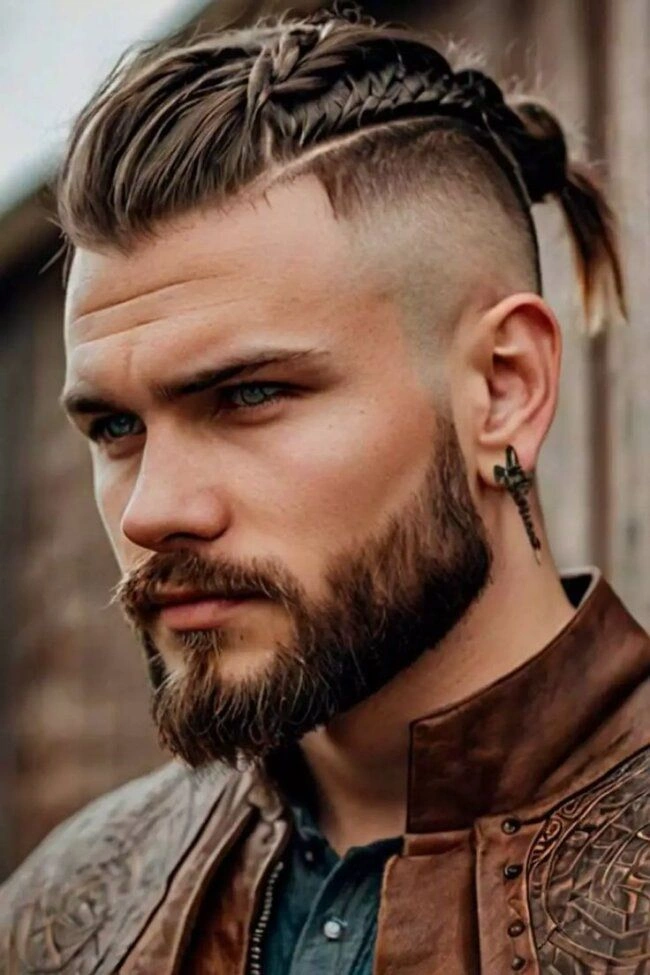
Core Elements of a Viking Haircut (What Makes It “Viking”)
To choose or customize a viking haircut, it helps to know the building blocks. Think of them as modules you can mix and match.
A. Undercut / shaved sides
One of the most recurring features in modern viking haircut styles. This gives a sharp contrast between the top hair and the sides. Many barbers use #0, #1, or #2 clippers for the sides, fading upward.
Some suggest a practical origin: shaved sides prevented hair from being caught in bowstrings or gear while fighting.
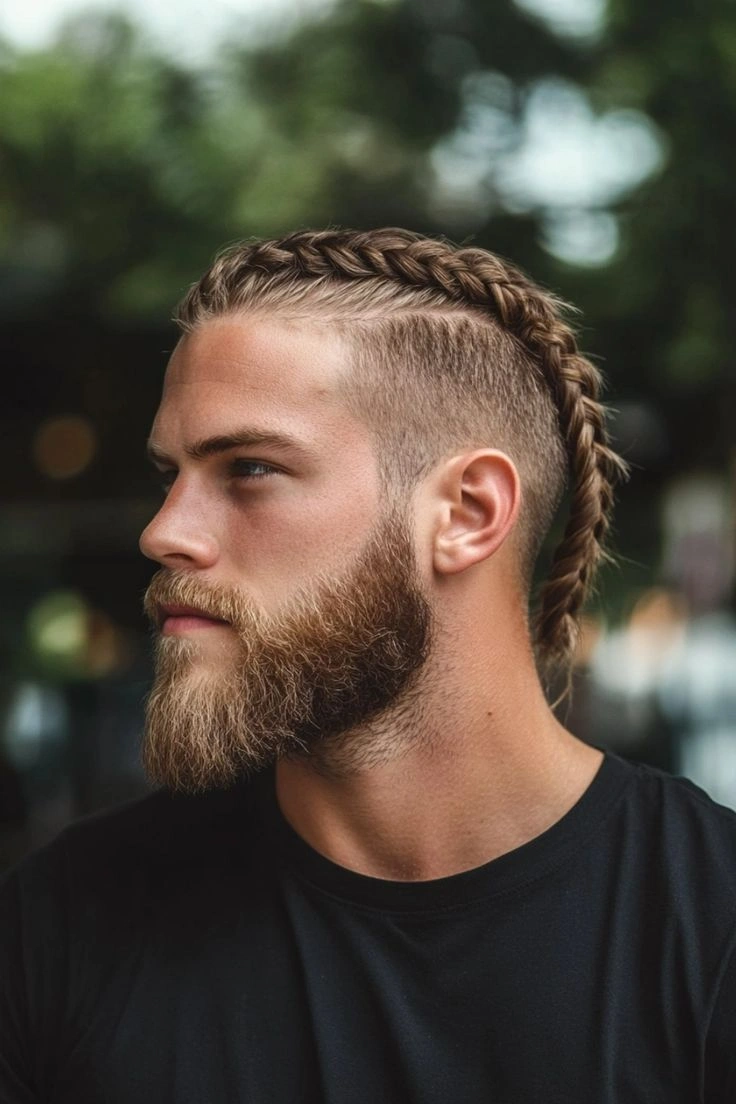
B. Long or medium-length hair on top
This is your canvas. Depending on your preference:
-
Short viking haircut: just enough length to style up, slick back, or slight waves.
-
Modern viking haircut: 10–20 cm (4–8 in) ideal—enough to braid, twist, or half up-half down.
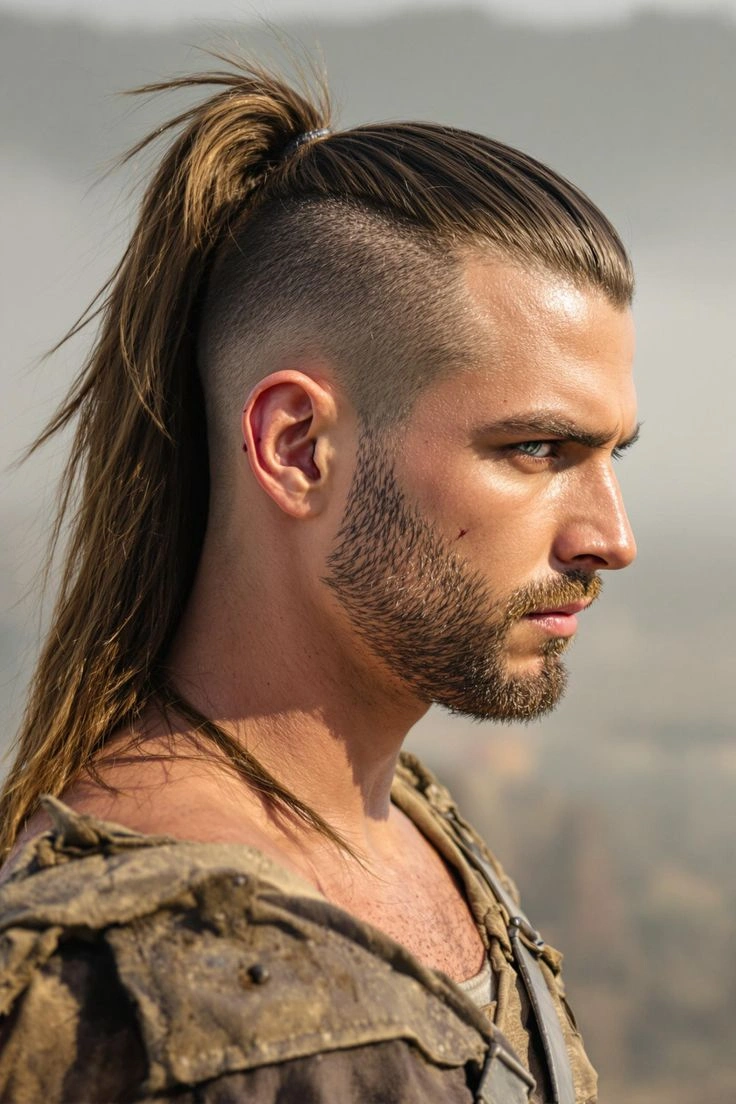
C. Braids and plaits
Braids (single, Dutch, cornrow style) are used as accents—not always the entire look. Use them to tie back hair, make accent lines, or create texture.
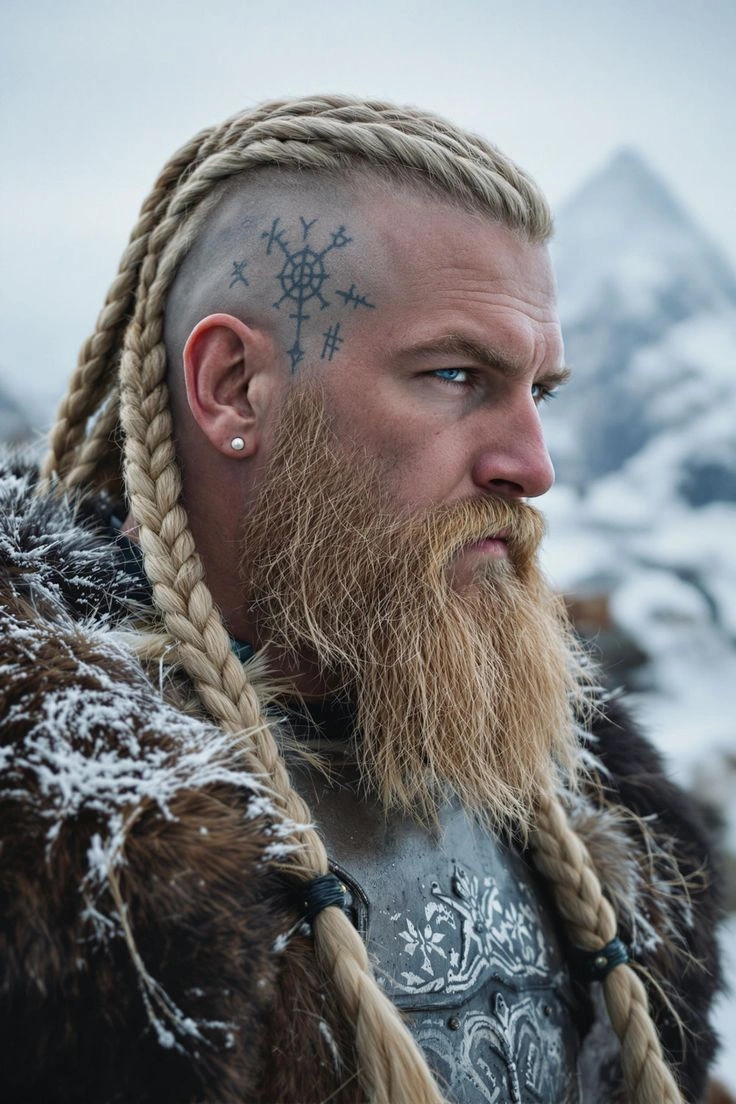
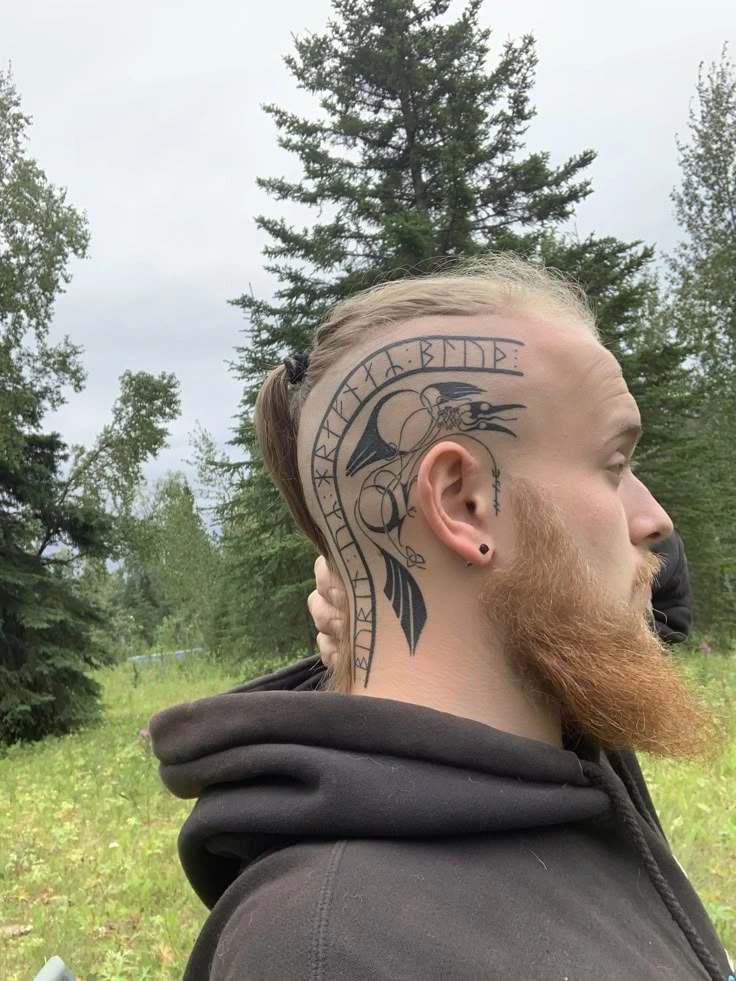
D. Carvings, lines, and design
Adding shaved lines or rune-inspired carving is a trend. It’s more stylistic than historical, but it adds flair.
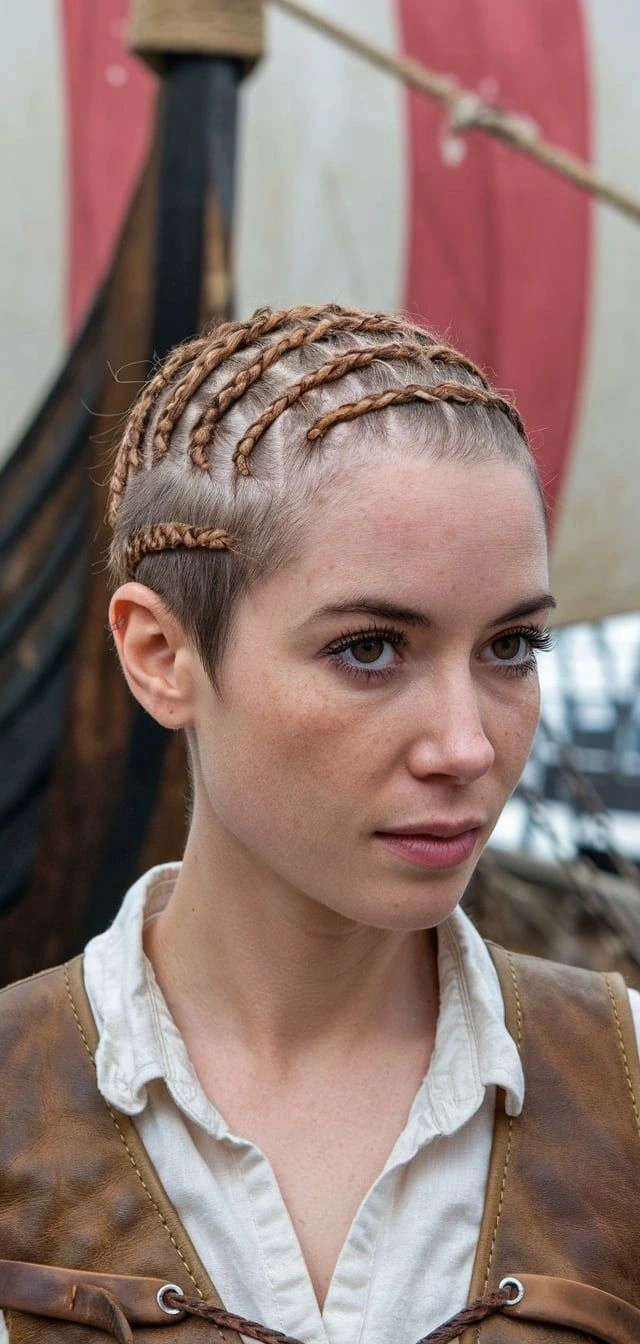
E. Natural texture, volume & layering
Vikings, or Norse-inspired stylists, often leave some texture or internal layering so the hair doesn’t look flat. This helps with movement, volume, and braid definition.
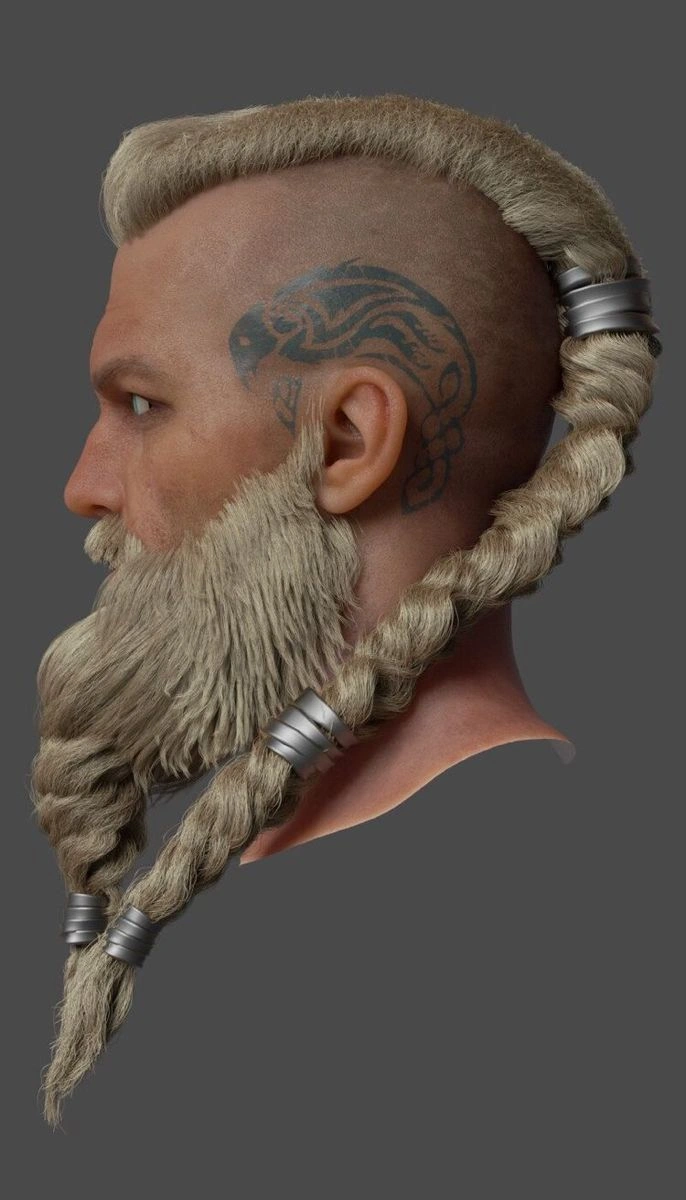
F. Beard (optional but common)
Though not mandatory, pairing your viking haircut with a beard (from stubble to full) builds the warrior aesthetic many seek.
Top Viking Haircut Styles to Try (with names & notes)
Here are modern favorites. I’ll call out which are more historical vs more creative.
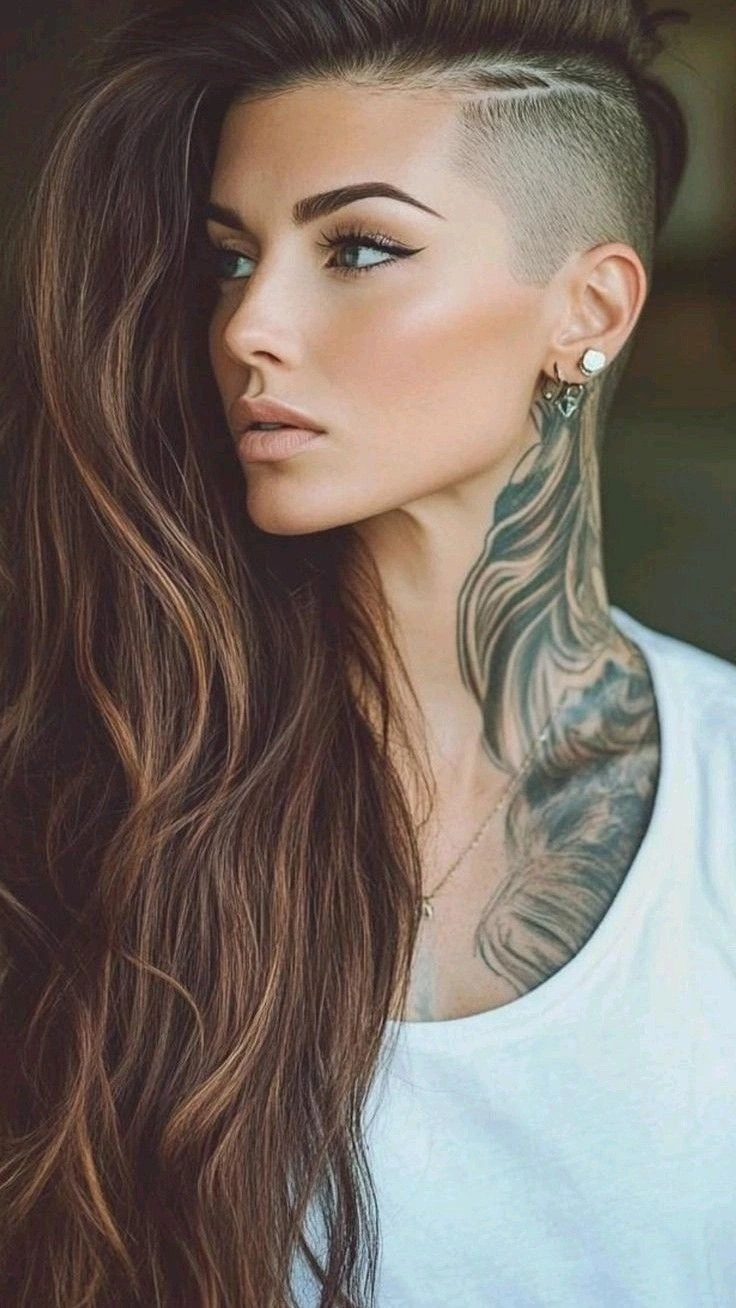
1. Nordic Undercut Viking Haircut
Short shaved sides + long top. One of the safest, most wearable versions. Many barbers offer it with fades or sharp contrasts.
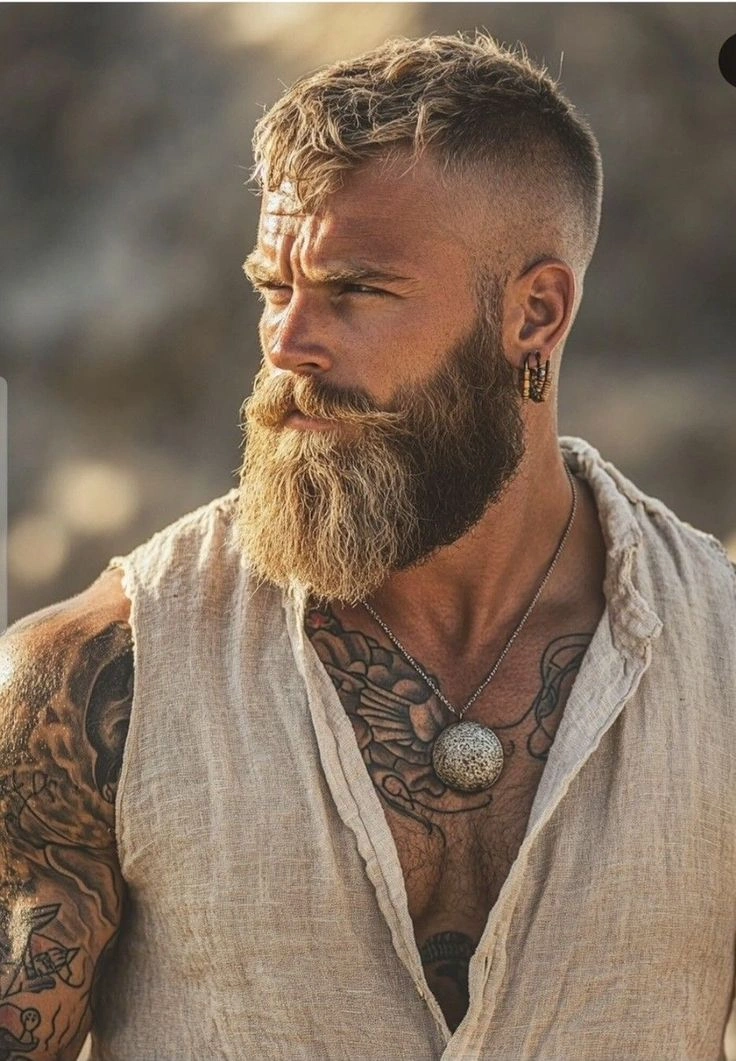
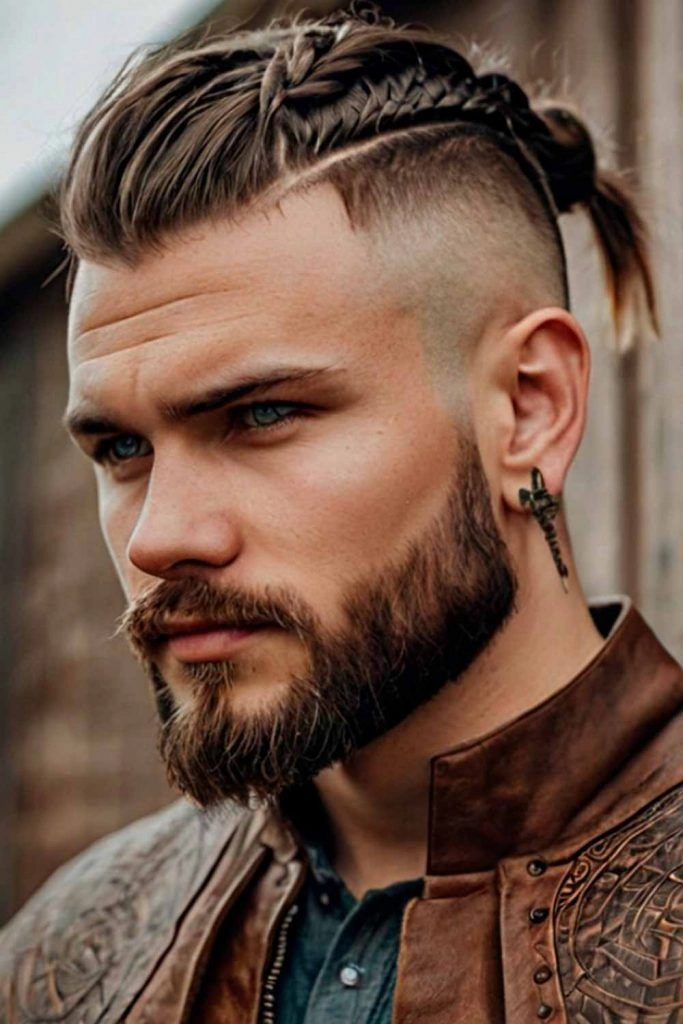
2. Braided Ponytail with Undercut
You braid the top and pull it back; sides are shaved. In FashionBeans you’ll see “Braided Ponytail with Undercut” often cited.
3. Soft Fade + Long Top
Blend the undercut into a softer fade instead of a harsh cut. Gives a more polished vibe.
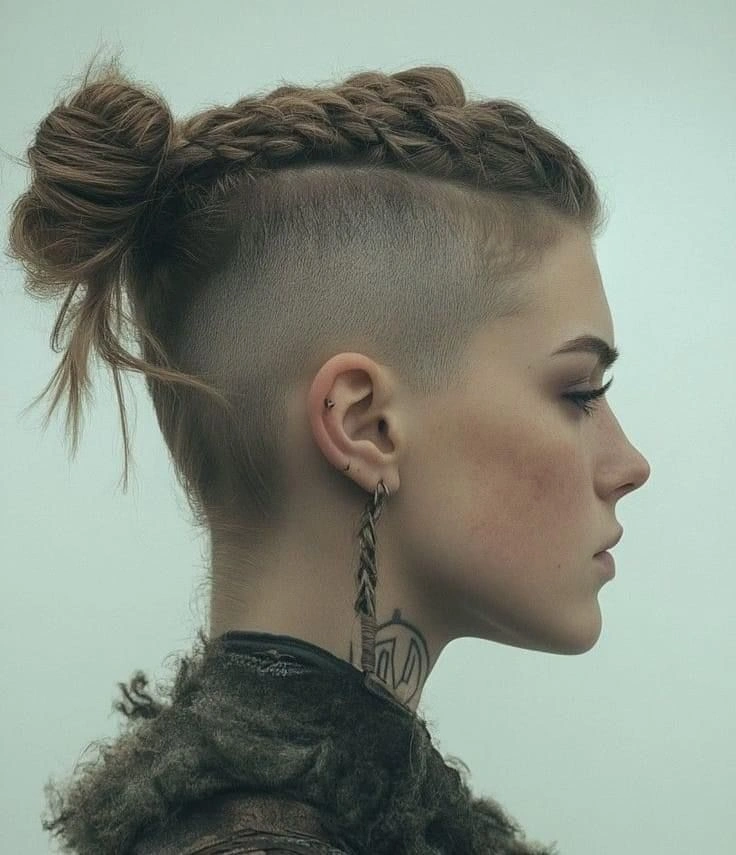
4. Viking Faux Hawk / Mohawk Variants
The central strip is kept long and textured, while sides are shaved. Less historically grounded, more stylistic.
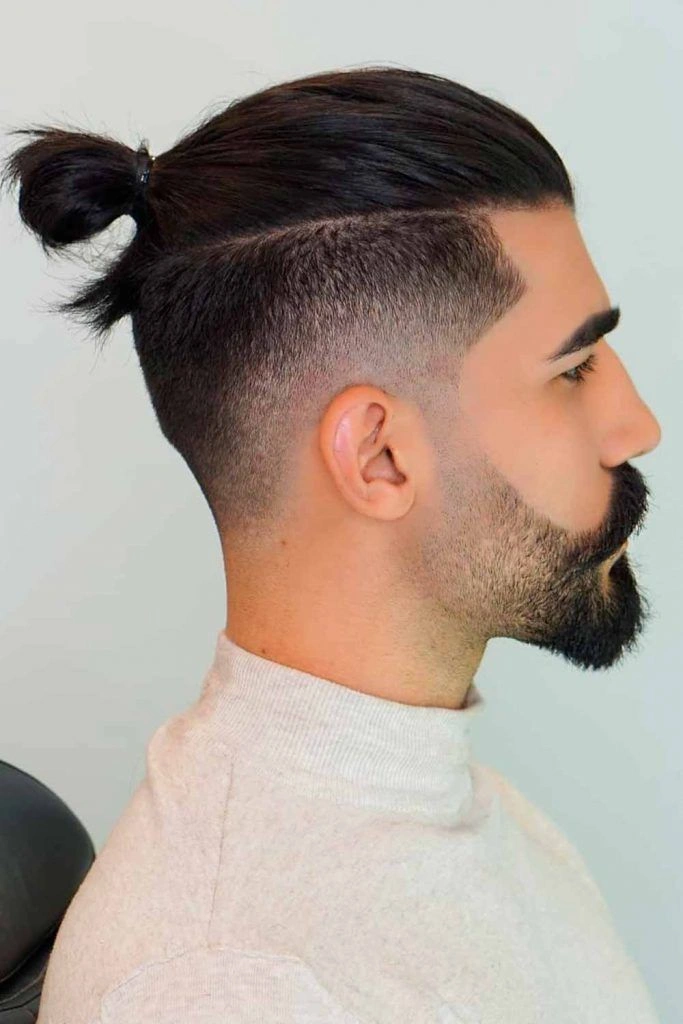
5. Man Bun / Top Knot with Shaved or Short Sides
You gather the long top into a bun or knot. Combine with shaved or faded sides. Widely seen in modern style blogs.
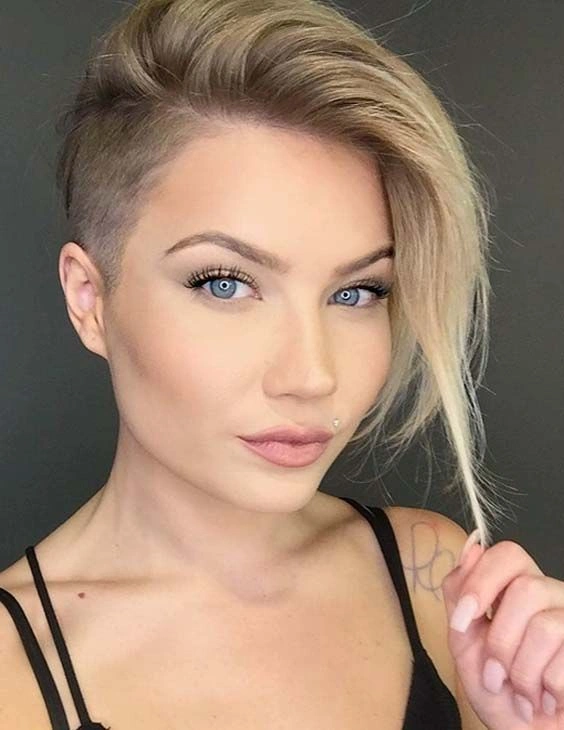
6. Half Shave / Side-Swept
One side is shaved (or closely trimmed), and the rest of the hair is side-swept or loose. Spice without going full warrior.

7. Shieldmaiden / Feminine Viking Haircut
Yes, viking haircut female is a thing. Women and girls can wear long hair with braids and shaved sides, or braided crowns.
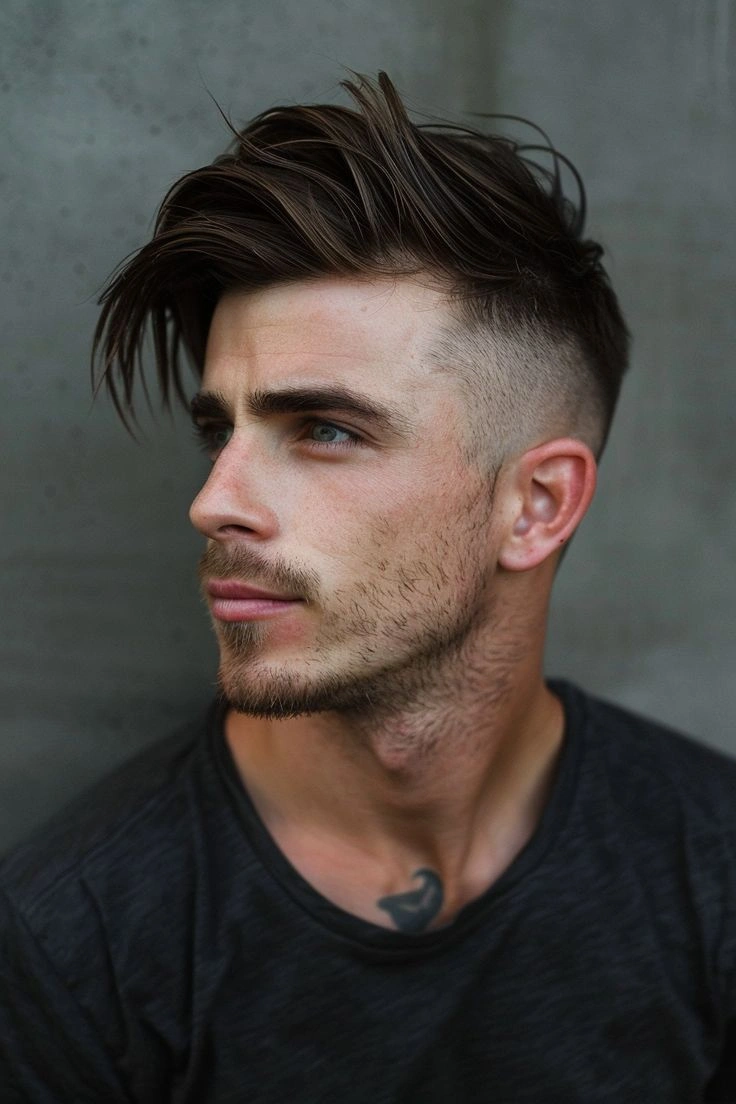
8. Celtic Viking Haircut / Double Layer Viking Haircut
Add layered hair texture + braid accents, mixing Celtic knot motifs or dual-layered lengths. These are more imaginative and blend styles.
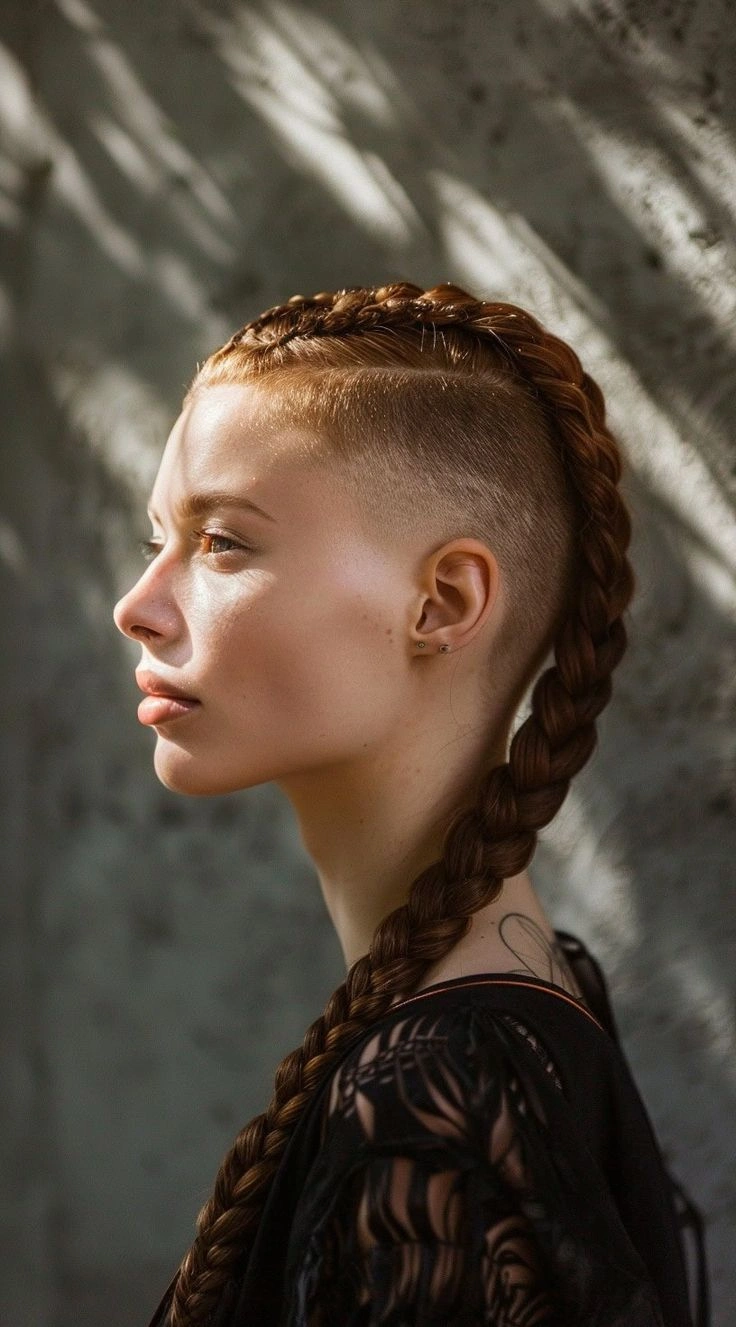
9. Short Viking Haircut
If you don’t want much length, a short crop with a subtle undercut and texture can still carry that edge.
Choosing the Right Viking Haircut for You
Let’s make this practical, because your barber will thank you. (And you won’t leave with something you regret.)
A. Face shape & head shape
-
Oval & oblong: You can pull off most styles; consider volume on top, balanced sides.
-
Square: Softer fades or layered cuts help soften angular jawlines.
-
Round: Higher volume and contrast (e.g. undercuts) create elongation.
-
Long / rectangular: Avoid too much height on top; keep sides more contained.
Also note your skull shape—if there’s a bump or unevenness, simple fades will hide it better.
B. Hair type & texture
-
Straight: Works well for sleek undercuts, slick backs, or soft fades.
-
Wavy / curly: Embrace it—texture gives depth. Slight layering helps braids grip.
-
Thin / fine: Be careful with very long hair; keep length manageable and use internal layering.
C. Maintenance willingness
If you want something low-maintenance, go short or moderate length with minimal braids. If you’re okay with daily styling, you can experiment with elaborate braids or design work.
D. Work / lifestyle constraints
Some workplaces won’t approve bold shaved lines or extreme styles. Choose a version that blends into your daily life too. You can always go dramatic on vacations.
E. Beard readiness
If you’re planning to pair your viking haircut men with a beard, ensure you can maintain the beard too—regular trims, care, and grooming are needed.
How to Ask Your Barber (What to Tell / Show)
Be clear, bring visuals, and understand lingo. Here’s a cheat sheet:
-
Start with reference photos (e.g. from Instagram, Pinterest).
-
Use terms like “undercut male nordic viking haircut,” “nordic undercut viking haircut,” or “modern viking haircut.”
-
Indicate lengths: “I want ~1 cm shaved sides (#1 clipper) and ~10 cm on top” or “fade from #1 to #4”
-
Mention texture / layering: “Keep movement, don’t make it too blunt”
-
If braids or carvings: show the design and ask if your hair allows it
-
For female or kids versions: show viking haircut female or viking haircut for boys images
-
Confirm fade style: skin fade, low fade, mid fade, soft fade
-
Ask the barber: “What do you suggest for my hair type to bring out this viking haircut look?”
Step‑by‑Step: Getting Your Viking Haircut (In the Chair)
Here’s what usually happens (so you’re not blindsided):
-
Consultation: You and your barber review photos, face shape, hair texture, and maintenance expectations.
-
Sectioning: Hair is sectioned—top vs sides vs back.
-
Clipper work: Start with sides/undercut/fade using preferred guard lengths.
-
Scissor or razor work on top: To remove bulk, shape layers, add texture.
-
Blending: Make sure transitions between shaved and longer sections are smooth (or intentionally dramatic).
-
Detailing: Carving lines, braiding, tapering nape or neckline.
-
Finish & style: Use products like wax, pomade, or sea salt spray to define shape.
Product & Styling Guide (What You’ll Actually Use)
Here’s your “battle kit”: what to keep on hand.
| Purpose | Product Type | Recommendation / Tips |
|---|---|---|
| Hold & texture | Matte clay, wax, pomade | For messy / matte Viking looks |
| Volume / lift | Sea salt spray, texturizing spray | Apply to damp hair, air-dry or diffuse |
| Moisture / support | Leave-in conditioner, hair oil | Especially for long hair or braids |
| Braiding / smoothing | Light pomade or braid glue | Keeps stray hairs in check during braids |
| Comb / brush | Wide-tooth comb, beard brush | For styling and beard care |
| Beard care | Beard oil, balm, mild shampoo | If you rock a beard with your mens viking haircut |
Styling tips:
-
Start with damp hair—don’t overdo the product.
-
Use your fingers first, then finalize with comb or brush.
-
For braided styles, re-braid every few days to maintain neatness.
-
Sleep in a silk pillowcase or loosely tie the hair to reduce frizz.
Maintenance & Upkeep
You don’t want that fierce style turning into shaggy chaos. Here’s how to keep it sharp.
Regular trims & touch-ups
-
Sides/fades: every 3–4 weeks
-
Top: every 6–8 weeks (or as needed)
-
Carving or lines: refresh if they soften or blur
Deep care
-
Use a quality shampoo + conditioner (avoid overwashing)
-
Occasional protein/repair mask to maintain strength
Seasonal care
-
Dry seasons: add extra moisture
-
Humid seasons: use anti-frizz / smoothing products
Beard & neckline grooming (if applicable)
-
Don’t let the beard grow wild—trim edges
-
Clean up neck and cheek lines
Common Mistakes & How to Avoid Them
Because I don’t want you leaving the barber feeling “meh.”
-
Too aggressive fade that clashes with your face or skull shape
-
Overlong top without support—hair can droop or lack structure
-
Using heavy products that make hair greasy or stiff
-
Too many carvings or lines—can look gimmicky if not done well
-
Ignoring hair texture—don’t fight your natural waves or curls
-
Neglecting maintenance—a Viking cut neglected becomes a mop
Modern Trends & Variations Worth Trying
Because Vikings evolve too.
-
Celtic‑Viking fusion: blending knotwork-inspired lines with Norse braids
-
Double layer viking haircut: two distinct lengths for contrast
-
Undercut viking haircut for women / girls: edgy but feminine
-
Bald + beard + minimal side pulses: minimalistic Viking
-
Viking haircut braid accents even on short hair
-
Viking haircut braid + fade: a hybrid look
-
Scandinavian viking haircut: more subtle, clean lines, less edge
HairPeak (2025) showcases modern viking haircut trends like “Valkyrie Undercut,” “Rune Carved Layers,” “Helix Twist Fade,” etc.
Before & After Care Tips (The Real Difference)
-
Before getting it cut: let your hair grow to a workable length, nourish it, and figure your style direction
-
Day of cut: arrive with clean, detangled hair
-
After cut: ask your barber to show you how to style and re-braid or maintain
-
First week: give it time—hair will settle
-
Photos: save reference shots after styling—future barbers will thank you
Read More: Dhoni Hairstyle, Virat Kohli Hairstyle, Slick Back Haircut
FAQs
Q1: Can I get a viking haircut if I have thin hair?
Yes—but go moderate length, layering and texture help, avoid overly heavy styles.
Q2: How long does it take to style a braid-rich viking haircut?
5 to 20 minutes, depending on complexity.
Q3: Are extreme mohawks / wide mohawks historically accurate?
Very unlikely. Most extreme versions are modern stylization.
Q4: Does having a viking haircut damage my hair?
Not inherently—only if you overuse harsh chemicals or heat. Use gentle care.
Q5: Should I pair my viking haircut with a beard?
You can—and many do. But it’s optional based on your taste.
Q6: What if I don’t like the result?
Hair grows! Ask your barber to soften lines or transition gradually.
Explore more fun blogs at Easy Arabic Mehndi