
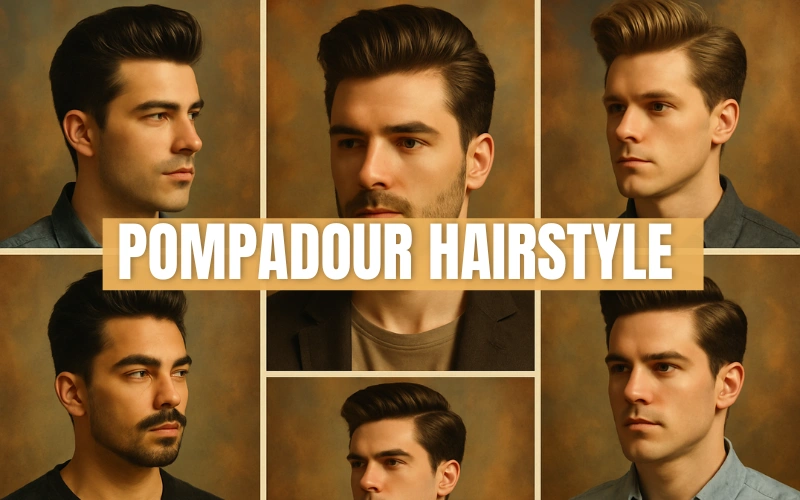
If you’ve ever scrolled through Instagram, walked past a barbershop, or binge-watched old Elvis clips (don’t pretend you haven’t), you’ve definitely spotted the iconic pompadour hairstyle. It’s tall, it’s proud, it’s dramatic—basically the hair equivalent of someone entering a room holding a latte while saying, “Miss me?”
Long before it became the go-to for stylish men, the Pompadour Hairstyle was actually worn by women in the 18th century. Madame de Pompadour—King Louis XV’s mistress—popularized it long before TikTok existed.
Pompadour Quick Stats Table
| Attribute | Details |
|---|---|
| Origin Period | 18th Century (1700s) |
| Named After | Madame de Pompadour, mistress of King Louis XV |
| Popularized By | Elvis Presley (1950s), James Dean, Modern celebrities |
| Best Hair Length | 3-6 inches on top, shorter on sides |
| Maintenance Level | Medium to High |
| Face Shapes | Oval, Square, Diamond, Heart |
| Hair Types | Works best with straight to wavy, adaptable for all types |
| Average Styling Time | 10-15 minutes daily |
| Key Products Needed | Pomade, blow dryer, comb, hairspray |
| Professional Cut Cost | $30-$80 (varies by location) |
What Is a Pompadour Hairstyle?
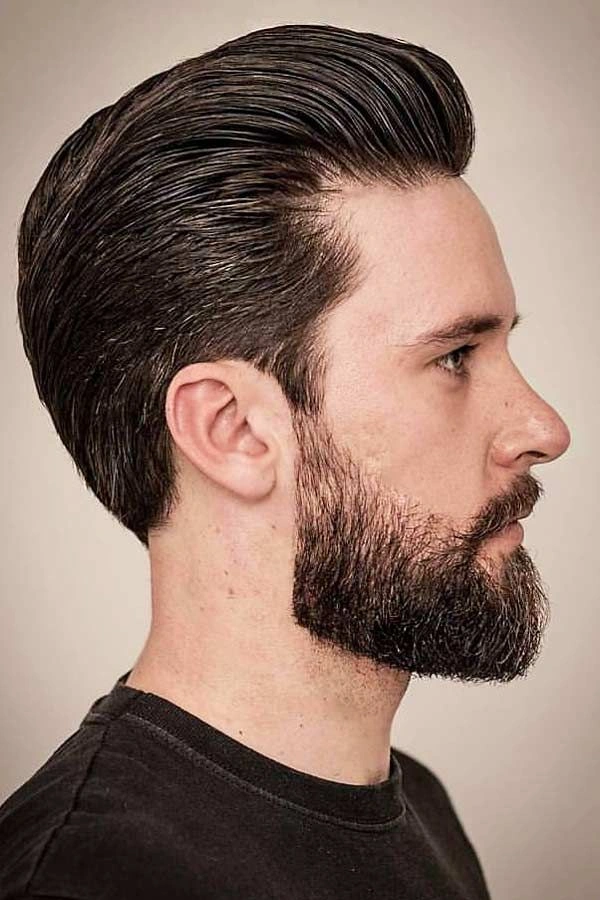
Think of the pompadour hairstyle as hair that’s extra, but in a dignified way. The hair is styled upward and back from the forehead, giving structure, height, and major personality.
In simple terms:
-
Longer on top
-
Shorter on the sides
-
Lifted and swept back
-
Volume is the star of the show
If your hair could talk, a pompadour would whisper:
“Look up… your eyes should be on me.”
The Fascinating History Behind the Pompadour
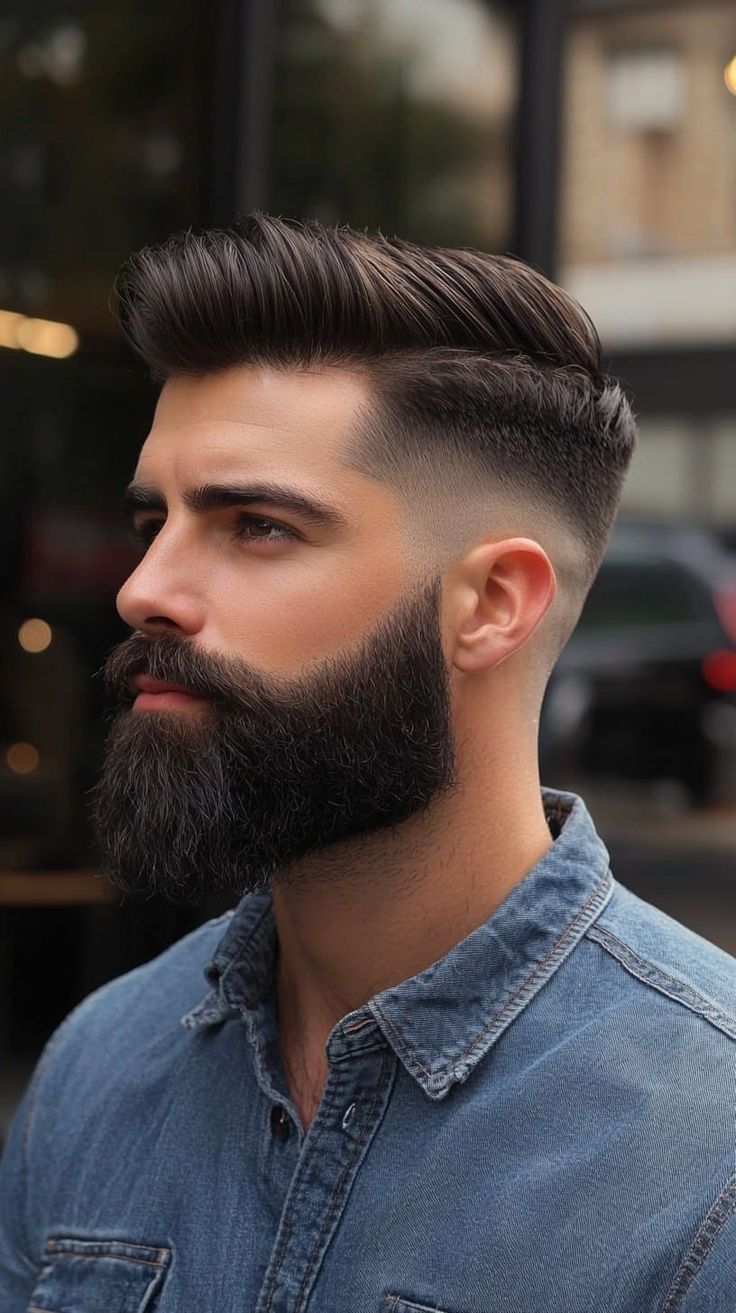
Let’s rewind to 18th-century France, where fashion was as dramatic as the political climate. The pompadour hairstyle gets its name from Madame de Pompadour, the chief mistress of King Louis XV. She wore her hair swept upward and back from her forehead, creating a voluminous style that screamed sophistication and power. Little did she know she was creating a hair legacy that would outlive monarchies themselves.
Fast forward to the 1950s, and the pompadour got a serious makeover. Rock ‘n’ roll rebels like Elvis Presley transformed it from a feminine court style into the ultimate symbol of masculine coolness. Elvis didn’t just wear a pompadour—he lived it. His gravity-defying quiff became as iconic as his hip swivels and blue suede shoes.
Understanding the Anatomy of a Perfect Pompadour
Before you grab that comb and pomade, let’s break down what actually makes a pompadour a pompadour. Understanding the structure will help you nail the look every single time.
The Volume
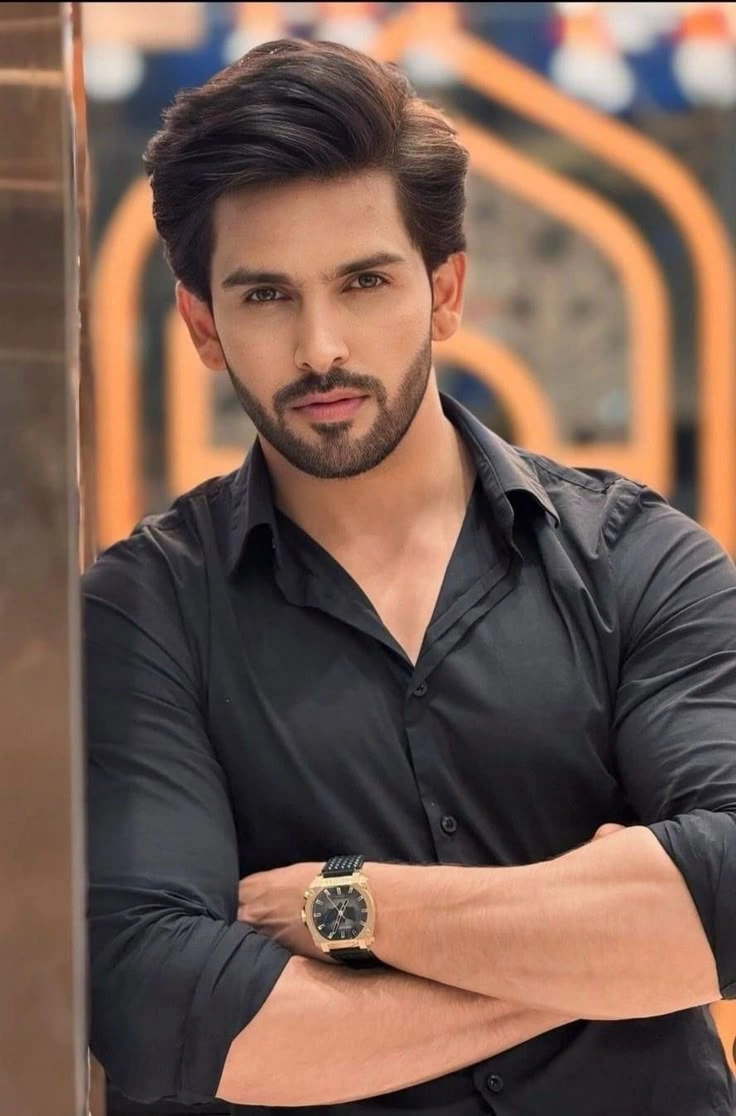
The signature element of any pompadour hairstyle is the volume at the front. Your hair should sweep upward and backward from your forehead, creating height that gradually tapers as it moves toward the crown. Think of it like a wave—there’s a crest at the front that smoothly rolls back. Too much volume and you’ll look like you’re wearing a hair helmet. Too little and it’s just… well, it’s just regular hair combed back.
The Sides
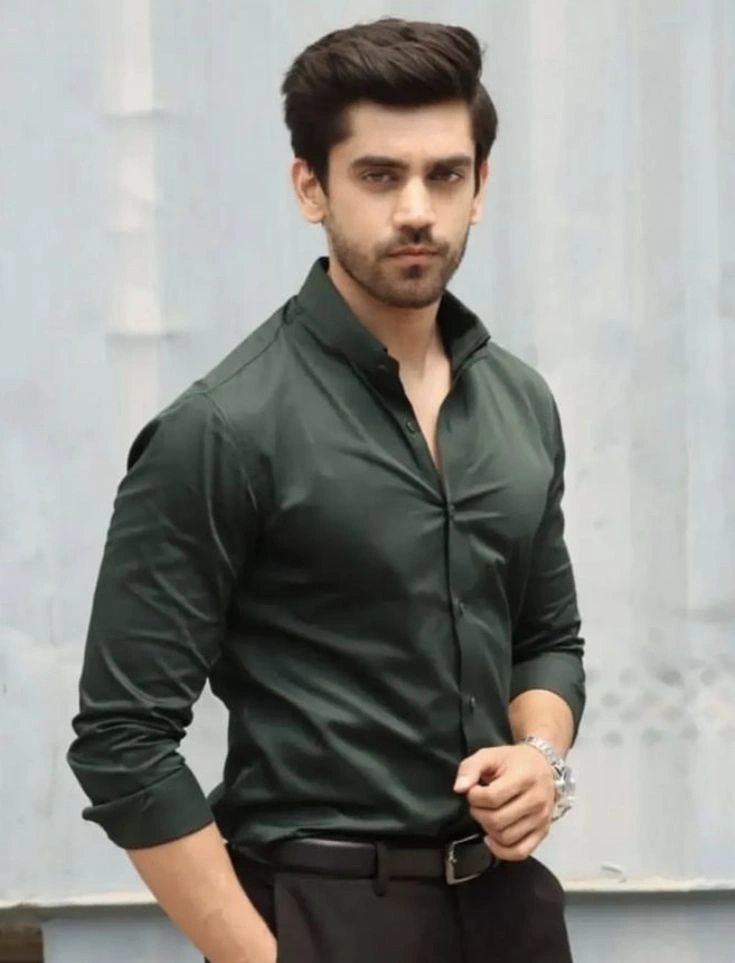
Traditional pompadours kept the sides relatively full, but modern interpretations have embraced the undercut and fade. Most guys today opt for shorter sides—anywhere from a low fade to a skin fade—which creates a dramatic contrast with the voluminous top. This contrast is what gives the modern pompadour its edgy, contemporary vibe.
The Back
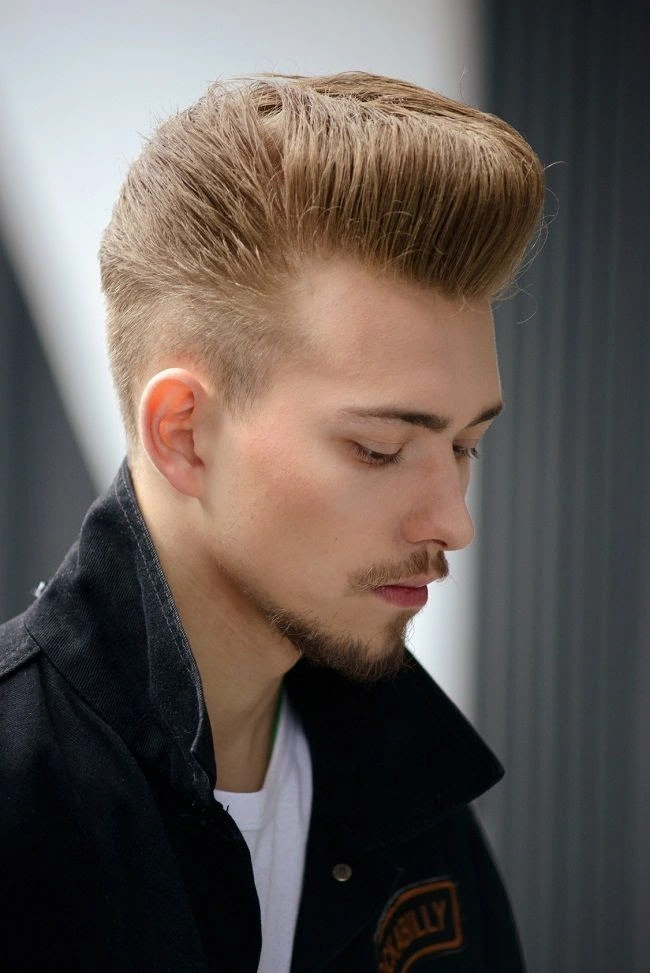
The back can go several ways. Classic pompadours maintain length throughout, creating a ducktail effect at the nape. Modern versions often taper the back with a fade, keeping the focus on that glorious height up front. The choice depends on your personal style and how much maintenance you’re willing to commit to.
The Finish
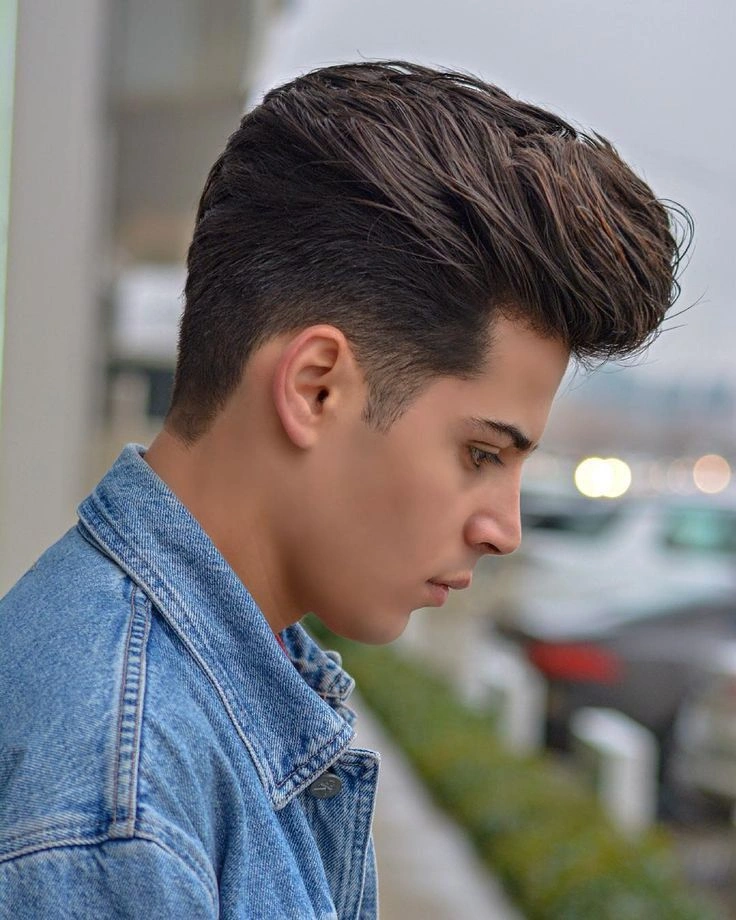
Some pompadours are slick and shiny, looking like they’ve been dipped in motor oil (in the best way possible). Others are matte and textured, giving off a more casual, effortless vibe. Neither is wrong—it’s all about matching the finish to your lifestyle and the image you want to project.
Types of Pompadour Hairstyles You Need to Know
The beauty of the pompadour is its versatility. Here are the main variations you’ll encounter:
Classic Pompadour

This is Elvis territory. The classic pompadour hairstyle features significant volume at the front with hair swept straight back. The sides are usually kept at medium length, and the whole look has a polished, almost formal quality. It requires strong-hold pomade and serious styling skills, but when done right, it’s absolutely timeless.
Best for: Formal events, vintage enthusiasts, anyone who wants maximum impact
Modern Pompadour with Undercut

Welcome to the 21st century. This variation combines the classic volume on top with sharply contrasted short (or shaved) sides. The undercut adds an edgy dimension while making the top appear even more dramatic. It’s become the go-to style for men who want sophistication with a rebellious streak.
Best for: Contemporary settings, creative professionals, guys who like low-maintenance sides
Pompadour Fade

Similar to the undercut version, but the sides gradually taper from longer to shorter, creating a seamless blend. Fades can be low (starting near the ears), mid (starting at the temple), or high (starting well above the temples). Each creates a different aesthetic—low fades are subtle and professional, high fades are bold and fashion-forward.
Best for: All occasions, versatile enough for business or casual settings
Textured Pompadour
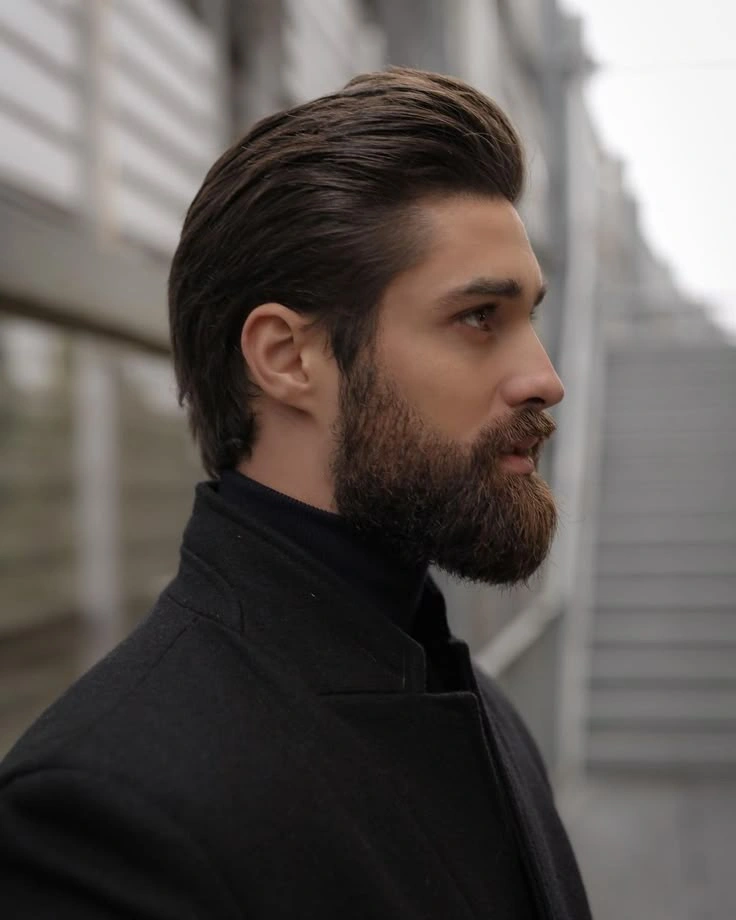
Less grease, more tousle. The textured pompadour maintains the volume and backward sweep but incorporates a matte finish and piecey texture instead of a slick appearance. It’s more forgiving of imperfections and looks intentionally casual.
Best for: Daily wear, active lifestyles, guys who prefer a relaxed aesthetic
Side Part Pompadour
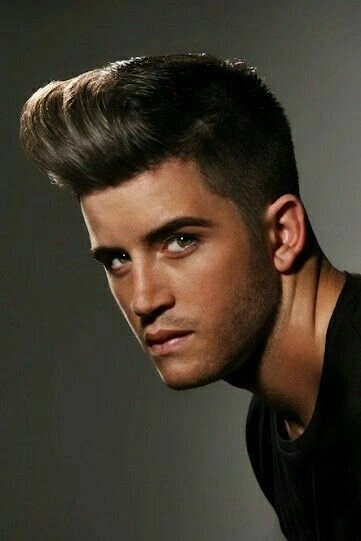
This style combines elements of the classic side part with pompadour volume. The hair is swept to one side with height at the front, creating an asymmetrical look that’s both sophisticated and interesting.
Who Can Pull Off a Pompadour?
Here’s the truth: pretty much anyone can rock a pompadour hairstyle, but like any cut, certain factors will influence how well it works for you.
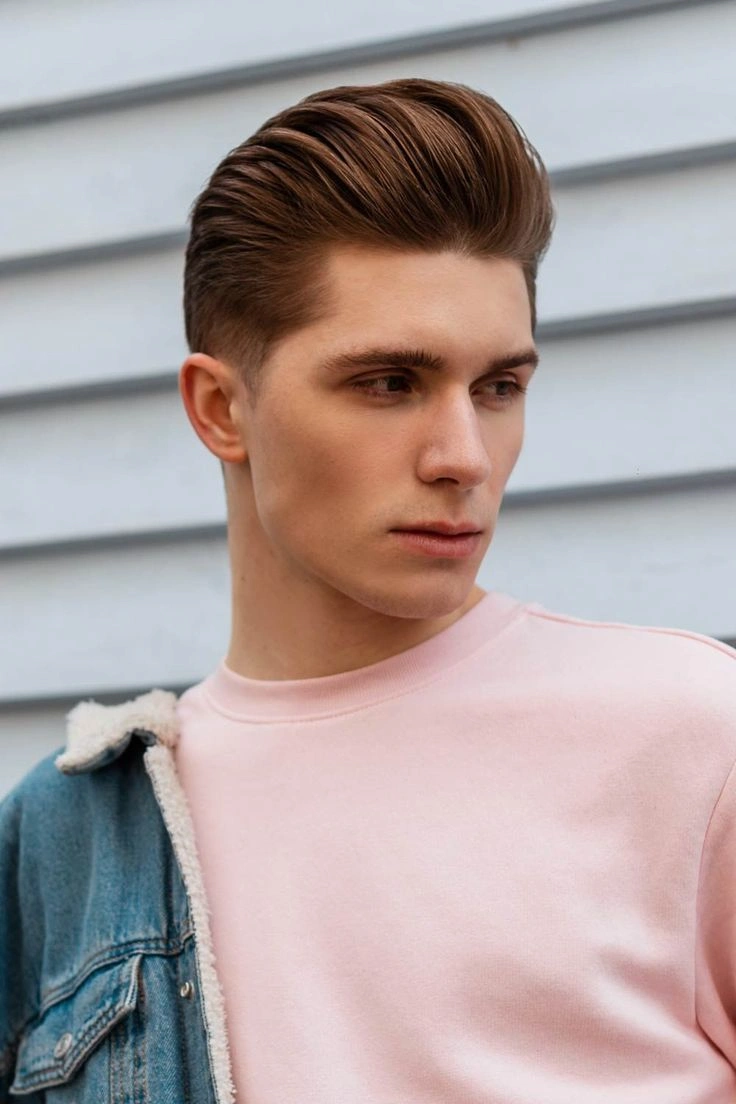
Face Shape Considerations
Oval faces: You’ve hit the genetic lottery. Pompadours look fantastic on oval face shapes because the added height creates nice proportions without overwhelming your features.
Square faces: The pompadour’s height softens angular jaw lines while the volume complements strong facial features. Just avoid going too wide at the sides.
Round faces: The vertical emphasis of a pompadour is your best friend, creating the illusion of length and defining your face shape. Go for maximum height.
Heart-shaped faces: Pompadours work beautifully here, balancing a wider forehead with added volume that draws the eye upward.
Long faces: Proceed with caution. Too much height can elongate your face further. Consider a shorter, wider pompadour variation.
Diamond faces: The style works well, but keep some width at the sides to balance your cheekbones.
Hair Type and Texture

Straight hair: The easiest canvas for a pompadour. Straight hair holds shape well and creates that classic sleek look with minimal effort.
Wavy hair: Actually perfect for textured pompadour styles. Your natural wave adds body and character. Embrace it.
Curly hair: Totally doable, but requires more product and often a blow-dry to achieve the smooth backward sweep. Many guys with curls opt for a more natural, voluminous interpretation.
Thin hair: Pompadours can actually make thin hair appear fuller thanks to the styling technique and products. The key is creating the illusion of density.
Thick hair: You’re starting with an advantage. Thick hair provides natural volume, though it may require stronger products to control.
The Ultimate Guide to Styling Your Pompadour
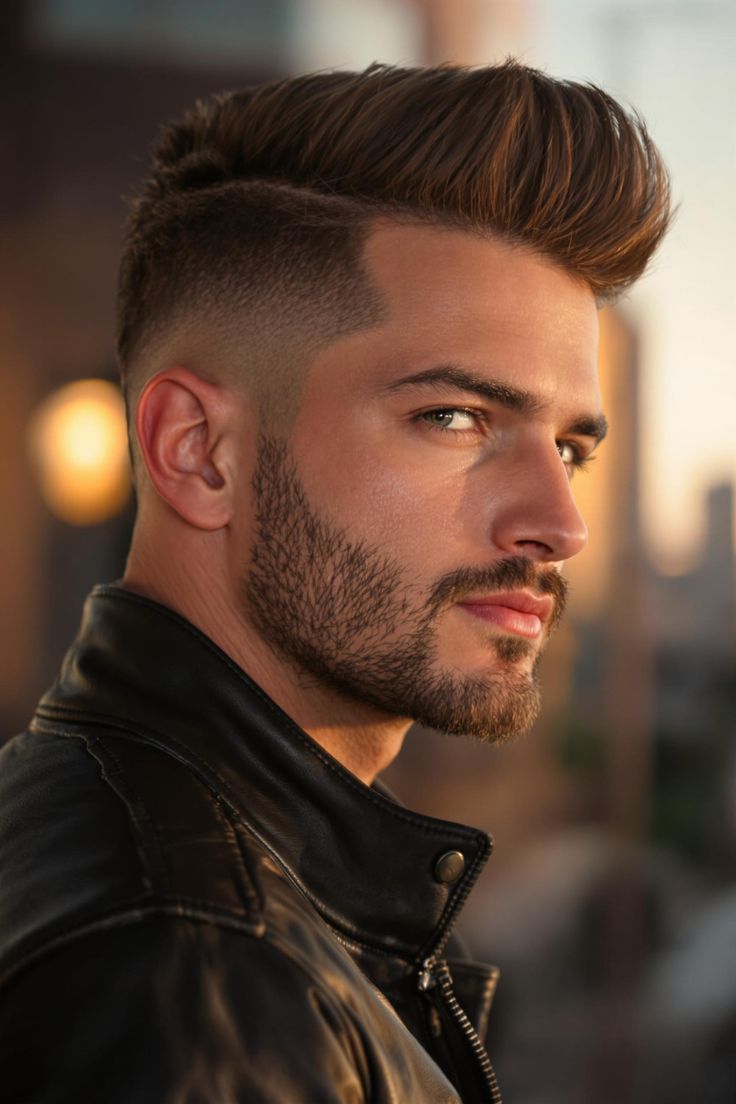
Ready to get your hands dirty (or well, greasy)? Here’s your step-by-step roadmap to pompadour perfection.
What You’ll Need
- High-quality blow dryer with concentrator nozzle
- Round brush or vent brush
- Comb (both fine-tooth and wide-tooth)
- Pomade or styling product (more on this below)
- Hairspray for hold
- Optional: Pre-styling product or sea salt spray
The Styling Process
Step 1: Start with clean, damp hair
Towel dry your hair so it’s damp but not dripping. This is crucial—soaking wet hair won’t style properly, and completely dry hair is harder to work with.
Step 2: Apply pre-styling product
If you’re going for maximum volume, apply a volumizing mousse or sea salt spray to your damp hair. This gives you a foundation to build on.
Step 3: Blow dry with purpose
Here’s where the magic happens. Using your round brush, blow dry your hair upward and backward. Start at the roots and work your way to the tips. The key is creating lift at the base—point your dryer at the roots while pulling your hair up with the brush. This isn’t a gentle process. You need tension and heat to set the style.
Step 4: Apply your styling product
Once your hair is about 90% dry, it’s product time. Scoop a dime to quarter-sized amount of pomade (depending on hair thickness) and warm it between your palms. Work it through your hair from front to back, ensuring even distribution. Don’t just smear it on top—get it throughout for even hold and shine.
Step 5: Comb it into place
Using your comb, sweep your hair backward and upward, creating that signature pompadour shape. Start at the front hairline and work back, maintaining tension and lift. Some guys prefer combing straight back, others angle slightly to one side.
Step 6: Refine and detail
Use the tail of your comb to perfect the sides and clean up your hairline. Check your profile in the mirror—the pompadour should have a smooth, wave-like curve, not a vertical wall of hair.
Step 7: Set with hairspray
A light misting of hairspray locks everything in place and helps your style survive the day. Don’t overdo it—you want hold, not helmet hair.
Maintenance and Care for Your Pompadour
Maintaining a pompadour hairstyle requires commitment, but it’s not as intimidating as you might think.
Daily Maintenance
Expect to spend 10-15 minutes each morning styling your pompadour. That might sound like a lot, but once you have the technique down, it becomes second nature—like brushing your teeth or making coffee.
Between washes, you can often restyle your pompadour by dampening your hair slightly and adding a small amount of fresh product. Some oil-based pomade users go days without washing, simply restyling each morning.
Washing Frequency
This depends on your product choice and hair type. Water-based products wash out with regular shampoo, so washing every 1-2 days works well. Oil-based pomade users often wash less frequently (every 2-4 days) since the product doesn’t fully wash out and provides some built-in conditioning.
When you do wash, consider a clarifying shampoo once a week to remove product buildup that regular shampoo might miss.
Barber Visits
Plan on seeing your barber every 3-4 weeks. Even if you’re growing the top longer, keeping the sides sharp is essential for maintaining the pompadour’s shape and contrast. A good barber will understand how to cut for this style, leaving enough length on top while creating clean lines on the sides.
Nighttime Care
If you want your pompadour to last longer between washes, consider sleeping on a silk pillowcase, which reduces friction and maintains your style better than cotton. Some dedicated pompadour enthusiasts even wrap their hair at night to preserve the shape.
Pompadour Hairstyles for Different Occasions
The versatility of the pompadour hairstyle means you can adapt it for virtually any situation.
Business and Professional Settings
Go for a classic or side-part pompadour with moderate height (2-3 inches of lift). Use a medium-shine pomade for a polished but not overly dramatic look. Keep sides clean with a low to mid fade.
Casual and Weekend Wear
Textured pompadours shine here. Use matte products, add some piece-y definition, and don’t stress about perfection. A slightly messy pompadour looks effortlessly cool for coffee runs and weekend adventures.
Formal Events
This is your time to go full Elvis. Maximum height, high shine, perfectly sculpted shape. Pair with a tailored suit and confidence—you’ll look like you stepped out of a classic film.
Active and Athletic Activities
If you’re hitting the gym or playing sports, either skip the pompadour for the day or go with a more secure style using strong-hold products and plenty of hairspray. Some guys find that a textured, shorter pompadour holds up better during physical activity.
Dates and Social Events
Strike a balance between polished and relaxed. A medium-height pompadour with slight texture shows you care about your appearance without looking like you tried too hard. It’s confident and approachable.
Conclusion:
The pompadour hairstyle is more than just a way to wear your hair—it’s a connection to decades of style history, a statement of confidence, and honestly, a pretty fun way to express yourself. Whether you’re drawn to the slick sophistication of a classic pompadour, the edgy contrast of a modern undercut version, or the casual cool of a textured variation, there’s a pompadour interpretation that fits your personality and lifestyle.
Read More: Virat Kohli Hairstyle, Zayn Malik Hairstyle,Mens Haircuts,South Indian Hairstyle
Frequently Asked Questions
How long does my hair need to be for a pompadour?
Ideally, you want 3-6 inches on top to create proper volume and shape. The sides can be as short as you like, but the top needs sufficient length to sweep back and up. If you’re growing out your hair for a pompadour, be patient—it typically takes 4-6 months to reach optimal length from a shorter cut.
Can I do a pompadour with curly hair?
Absolutely! Curly hair pompadours look fantastic, though they require different techniques. You’ll typically need more product and possibly a blow dryer with a diffuser attachment. Many guys with curls embrace a more natural, voluminous interpretation rather than fighting their hair texture for a slicked-back look.
How do I sleep with a pompadour?
Most guys restyle their pompadour each morning, but if you’re using oil-based pomade and want to preserve your style overnight, try a silk or satin pillowcase to reduce friction. Some dedicated pompadour enthusiasts use hair wraps or du-rags to maintain shape between styles.
Is the pompadour still in style?
The pompadour has been “in style” for over 200 years with various interpretations. It’s a classic that transcends trend cycles. Modern variations ensure it feels current while maintaining its timeless appeal. So yes, pompadours are absolutely still stylish in 2025.
What face shape is best for a pompadour?
Oval faces are ideal, but pompadours can work for almost any face shape with proper adjustments. Round faces benefit from the added height, square faces are complemented by the volume, and heart-shaped faces find good balance. Long faces might want to opt for moderate height to avoid over-elongating.
How often should I wash my pompadour?
This depends on your products and scalp health. With water-based products, every 1-2 days works for most people. Oil-based pomade users often extend to every 2-4 days. Listen to your scalp—if it feels greasy or itchy, it’s time to wash.
Explore More Blogs at Caption Frame