
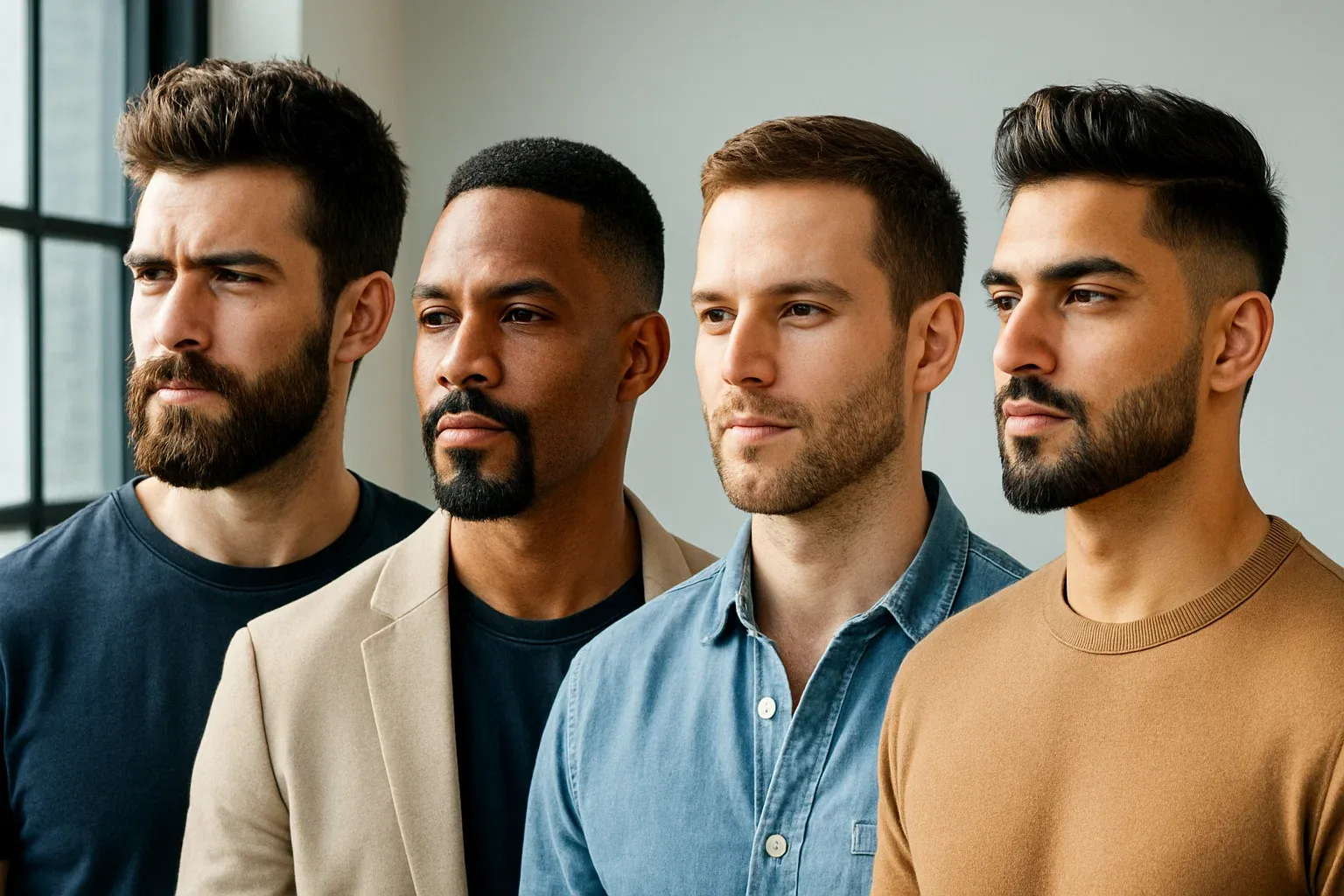
The beard has only crossed fashion trends to become a powerful form of self -expression and masculinity. Whether you want to increase the joint, add maturity to your appearance or just embrace your natural hair growth, the right beard style can change your entire look. In today’s care scenario, beard styles have evolved from basic full beard to complex designs that complement individual face forms, lifestyle and personal preferences. This wide guide will run through everything you need to learn about beard styles, which will help you find the perfect look that suits your unique features and personality.
What Is a Beard Style?
A beard style refers to a specific way, facial hair is grown, shaped and maintained to create a particularly aesthetic appearance. Unlike only facial hair to grow naturally, beard styles include conscious care, trimming and forming to achieve the desired pattern, length and shape. Each beard style has its own properties, maintenance requirements and suitability for different face shapes and hair types. The art of beard style combines individual prioritization with technical care skills, which requires understanding of hair growth patterns, face composition and ongoing maintenance routine. From minimal stump to full beard, each style acts as a form of individual branding that can dramatically change someone’s appearance and experienced personality.
Types of Beard Styles
The world of beard styles is incredibly diverse, offering options for every man regardless of his hair growth pattern, face shape, or lifestyle preferences. Understanding the various categories and specific styles helps you make informed decisions about which look to pursue.
Beard Styles for Men
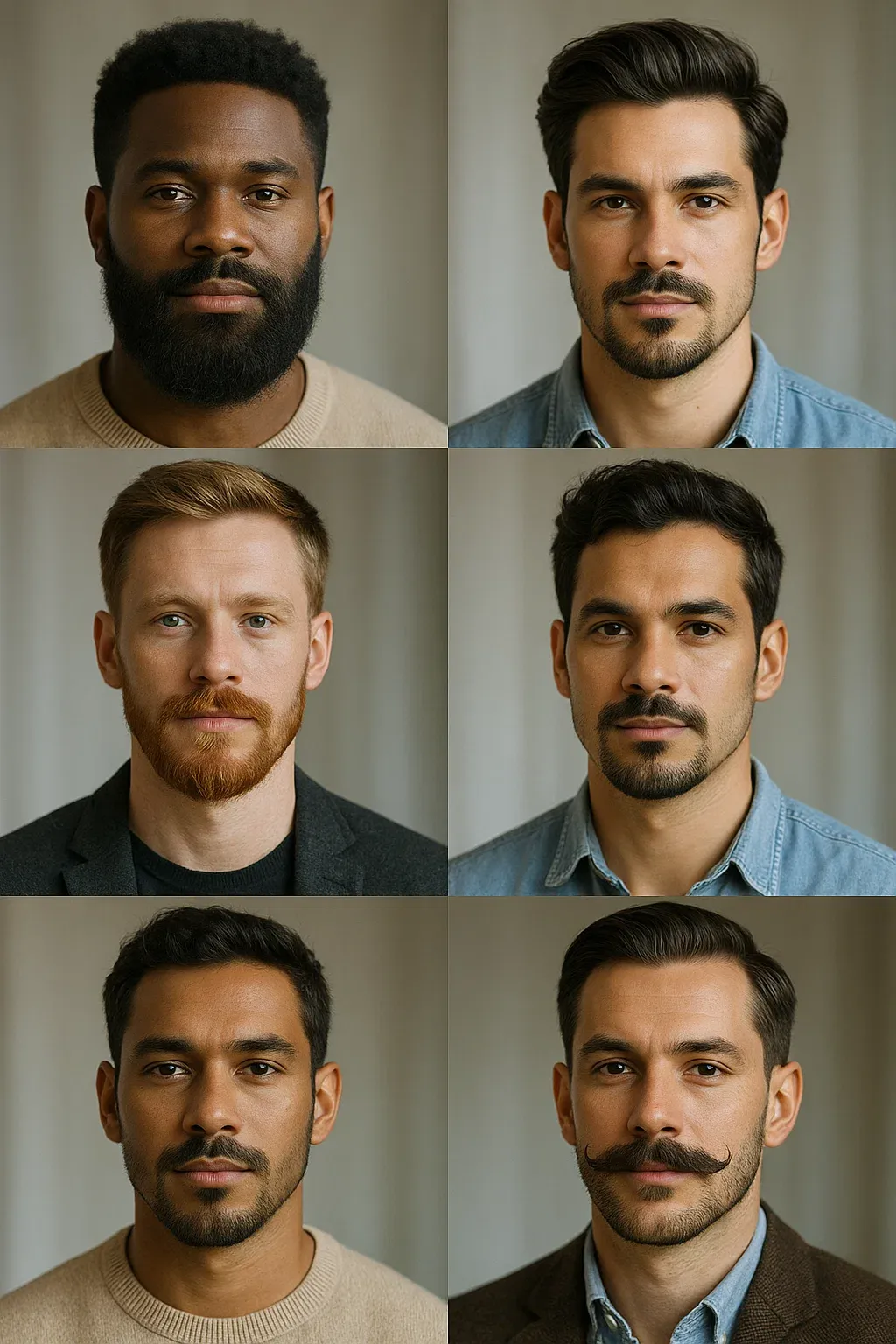
Modern men have access to an unprecedented variety of beard styles, ranging from professional looks suitable for corporate environments to bold, creative styles that make strong personal statements. Popular men’s beard styles include the classic full beard, which provides maximum coverage and masculine appeal, the versatile goatee that works well for men with patchy growth on the cheeks, and the sophisticated Van Dyke that combines a mustache with a pointed chin beard. The corporate beard has gained significant traction, featuring well-groomed, medium-length hair that maintains professionalism while adding character. Contemporary men also embrace hybrid styles that combine elements from different traditional looks, creating unique appearances that reflect individual personalities and preferences.
Medium Beard Styles
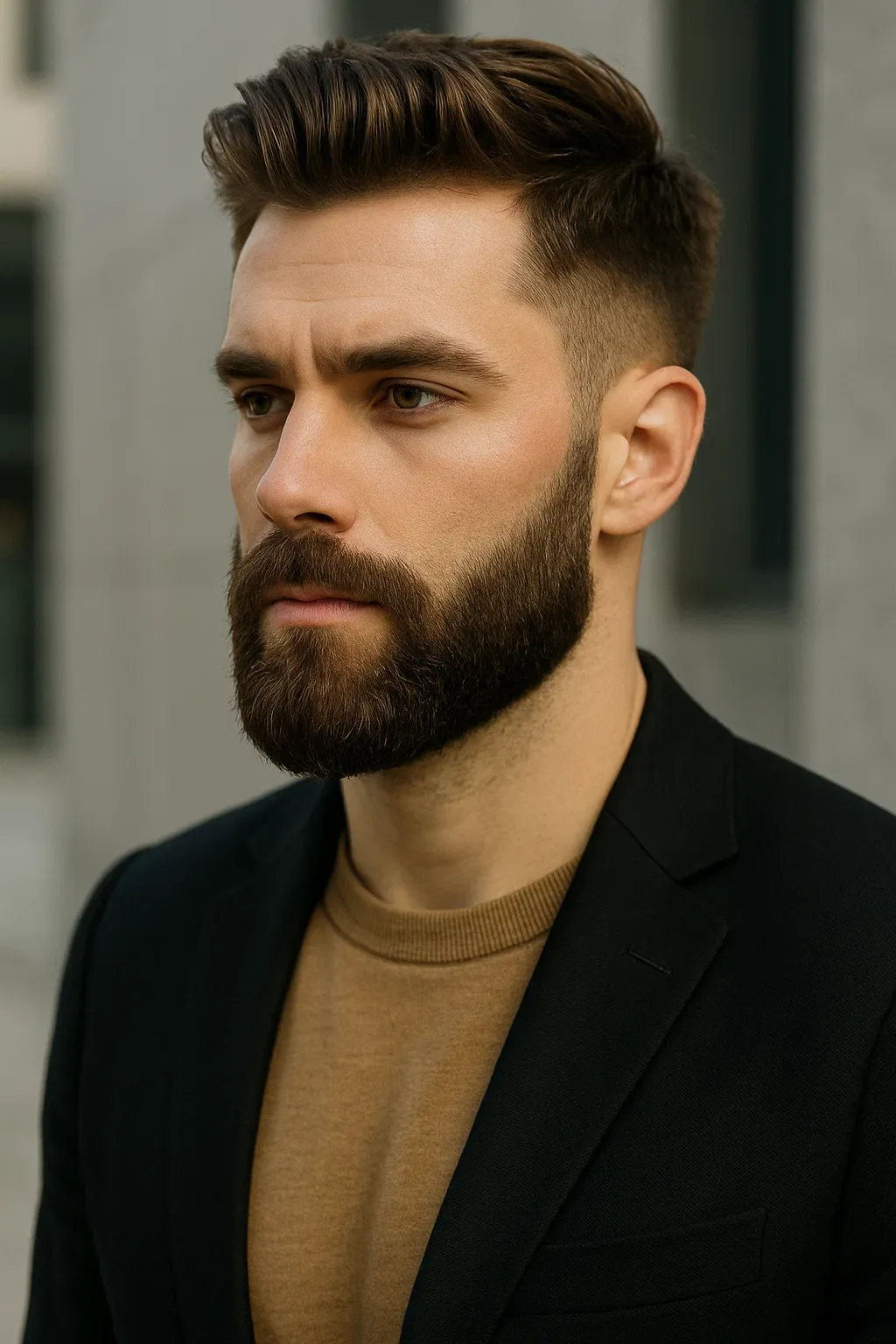
Medium beard styles strike the perfect balance between maintenance and impact, typically featuring hair that’s 1-3 inches in length. These styles offer enough coverage to significantly alter facial appearance while remaining manageable for daily grooming routines. The medium full beard provides excellent jawline definition and works exceptionally well for men with oval or square face shapes, while the medium goatee offers a sophisticated alternative for those who prefer focused facial hair growth around the mouth and chin area. Medium-length ducktail beards create an elegant, tapered appearance that’s both professional and stylish, making them ideal for men who want to make a statement without appearing too casual or unkempt.
Beard Styles for Boys

Younger men and teenagers exploring facial hair often benefit from simpler, low-maintenance beard styles that complement their developing features and active lifestyles. Light stubble provides an easy introduction to facial hair grooming while adding subtle maturity to youthful appearances. The pencil mustache combined with a small chin patch creates a trendy, age-appropriate look that doesn’t overwhelm young faces. Sideburn extensions connecting to light beard growth offer another excellent option for boys who want to experiment with facial hair while maintaining a clean, school-appropriate appearance. These styles typically require minimal maintenance and can easily be adjusted as facial hair growth patterns develop and mature over time.
Short Beard Styles
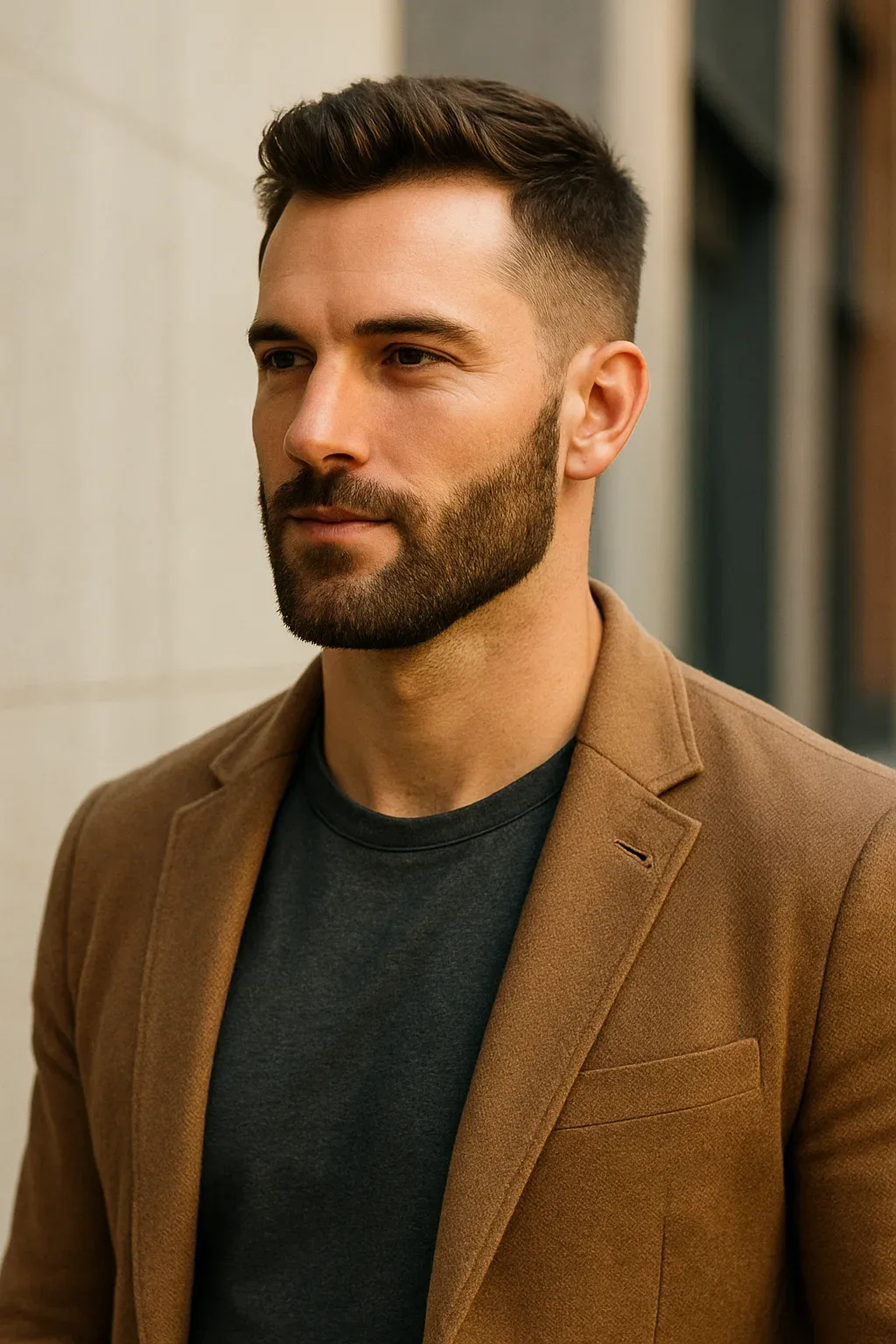
Short beard styles are perfect for men who want the benefits of facial hair without extensive grooming commitments. The 5 o’clock shadow remains perpetually popular, providing rugged appeal with minimal effort, while the short boxed beard offers clean lines and professional appearance suitable for most workplace environments. Short goatees work exceptionally well for men with strong jawlines, adding definition without overwhelming facial features. The short anchor beard combines elements of both mustache and chin hair, creating interesting visual balance while remaining easy to maintain. These styles typically require trimming every few days and benefit from regular edge cleanup to maintain their sharp, intentional appearance.
Hair and Beard Styles

Coordinating hairstyles with beard choices creates cohesive, polished looks that demonstrate attention to detail and style consciousness. Classic combinations include the pompadour with a full beard for vintage-inspired elegance, the fade cut paired with a goatee for modern sophistication, or the textured crop combined with stubble for contemporary casual appeal. Men with longer hair often complement their look with fuller beards, while those preferring shorter haircuts typically opt for more controlled facial hair styles. The key lies in ensuring that hair and beard proportions work together harmoniously, considering factors like hair texture, growth patterns, and overall facial structure to create balanced, intentional appearances.
Best Beard Styles
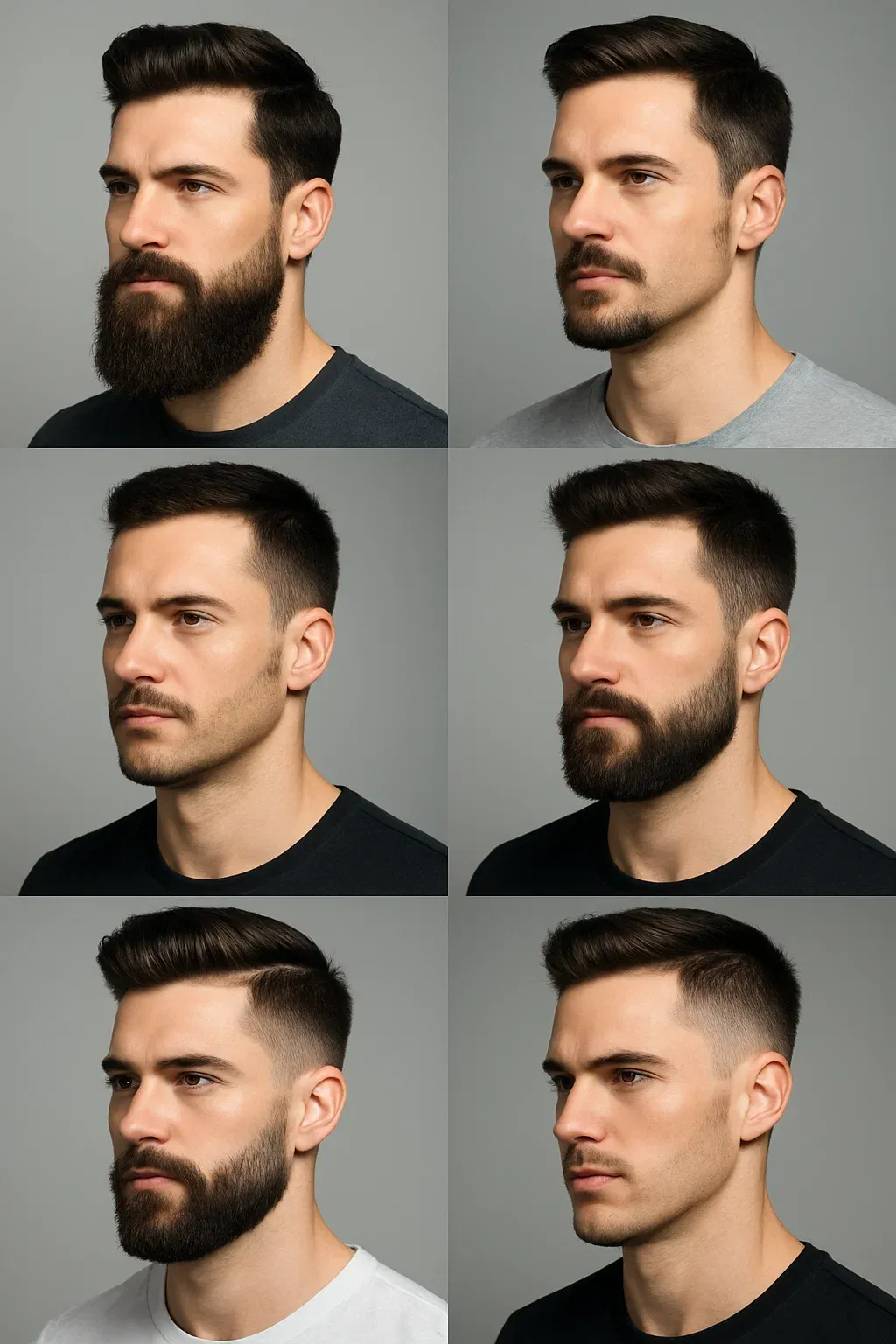
Determining the best beard style depends heavily on individual factors including face shape, hair growth patterns, lifestyle requirements, and personal preferences. However, certain styles have proven consistently popular due to their versatility and broad appeal. The full beard remains a top choice for its masculine appearance and ability to suit most face shapes when properly trimmed and maintained. The goatee continues to rank highly for its professional appearance and suitability for men with uneven cheek hair growth. The stubble beard appeals to busy professionals who want facial hair benefits without extensive grooming requirements. Modern variations like the fade beard and the ducktail have gained popularity for their contemporary appeal and Instagram-worthy aesthetics.
Long Beard Styles
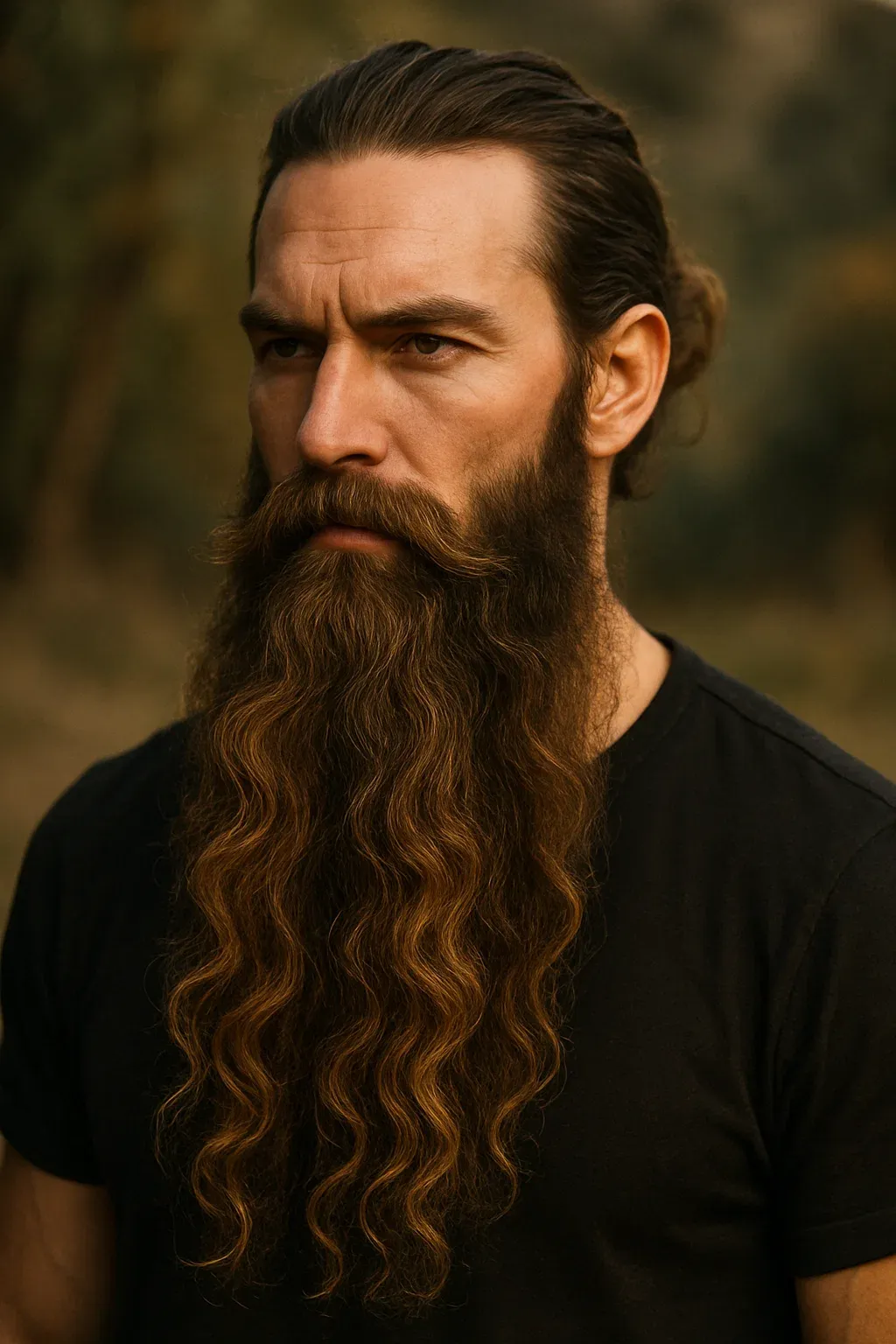
Long beard styles make bold statements and require significant commitment to maintenance and care. The classic long full beard, extending 4-6 inches or more from the chin, provides maximum masculine appeal and works exceptionally well for men with strong facial features and patient grooming habits. Long goatees create dramatic focal points while allowing men to maintain clean cheek areas, making them suitable for those with patchy growth patterns. The wizard beard, featuring extremely long growth that may extend to chest level, represents the ultimate commitment to facial hair and requires specialized care including regular washing, conditioning, and often braiding or styling to prevent tangles and maintain shape. Long beards benefit from professional trimming and shaping to prevent uneven growth and maintain intentional rather than unkempt appearances.
Small Beard Styles
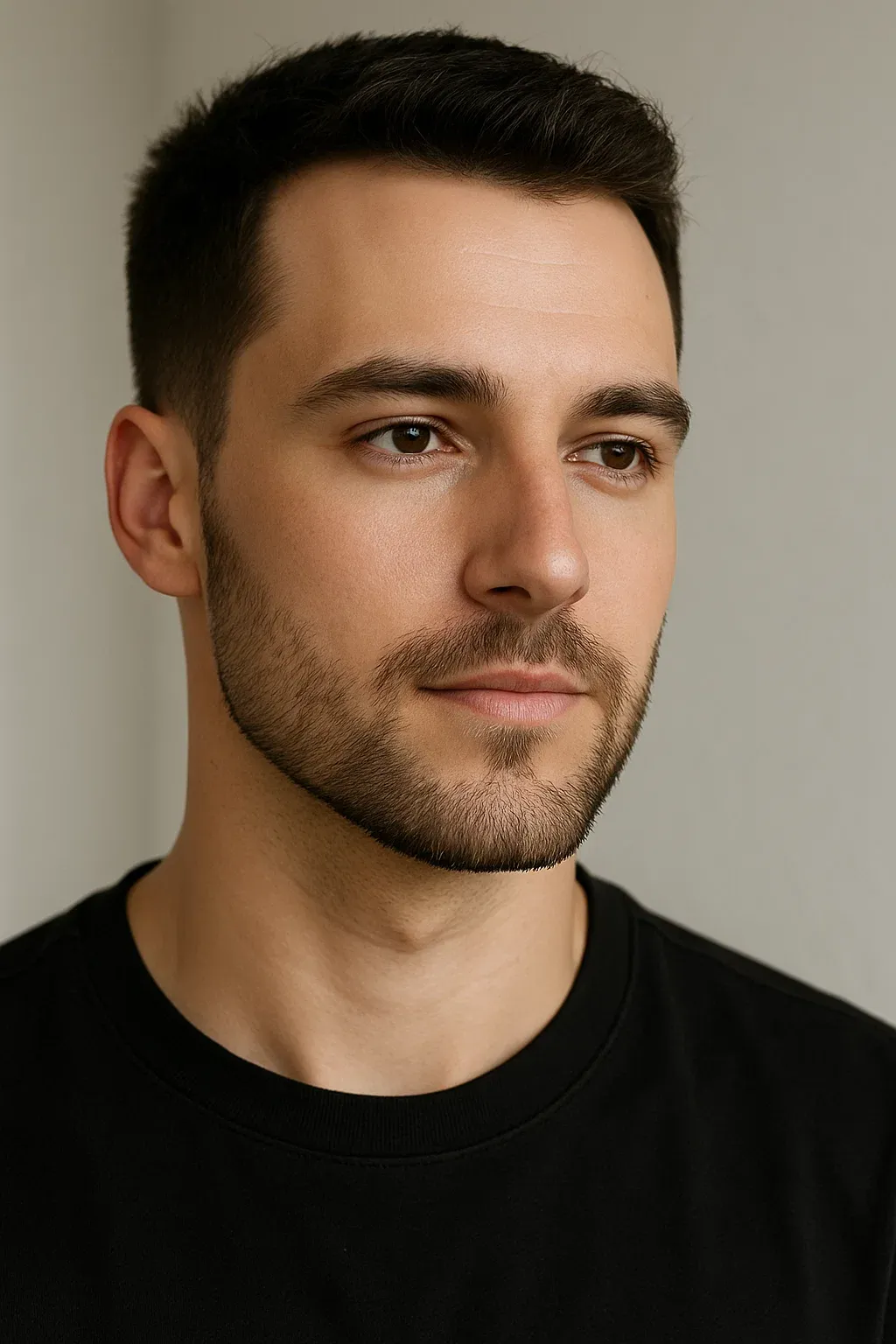 Small beard styles offer subtle enhancement without overwhelming facial features, making them ideal for men with delicate bone structure or professional requirements. The soul patch provides minimal coverage while adding interesting visual element below the lower lip, while small chin beards create focal points without extensive growth requirements. Thin mustaches paired with small goatees offer vintage-inspired looks that work well with various face shapes. Small anchor beards combine mustache and chin elements in compact designs that provide character without dominating facial features. These styles typically require precision trimming and regular maintenance to prevent them from appearing unintentional or unkempt.
Low Beard Styles
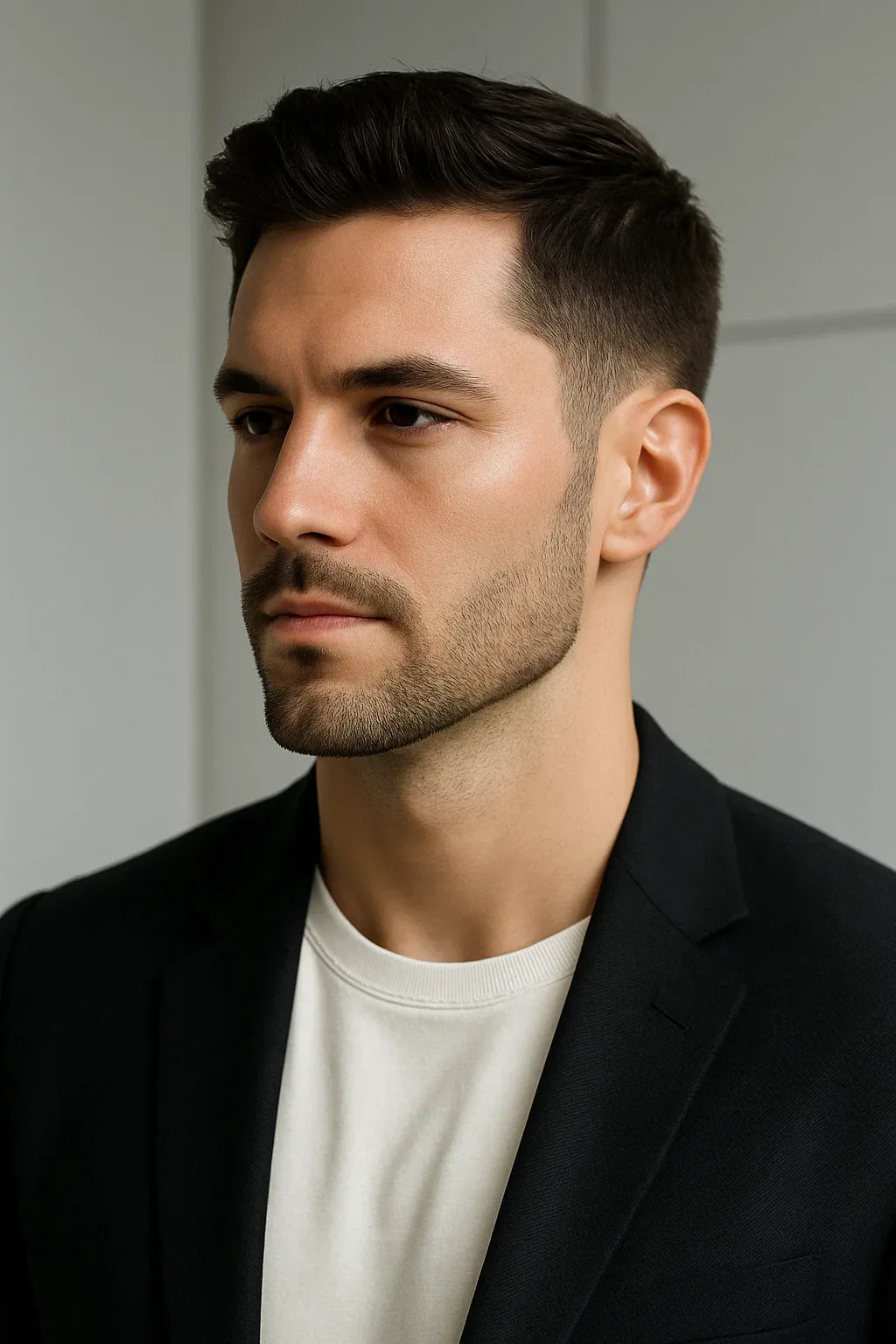
Low beard styles focus growth primarily on the lower portions of the face, creating interesting visual effects while accommodating various growth patterns and preferences. Low-set goatees position hair growth closer to the jawline rather than high on the chin, creating different proportional effects and working well for men with longer face shapes. Extended sideburns that connect to lower facial hair create continuous lines that can help broaden narrow faces or add weight to pointed chins. Low maintenance variations of traditional styles, such as the low-set full beard that maintains natural growth patterns with minimal shaping, appeal to men who prefer more relaxed grooming approaches while still maintaining intentional appearances.
Patchy Beard Styles
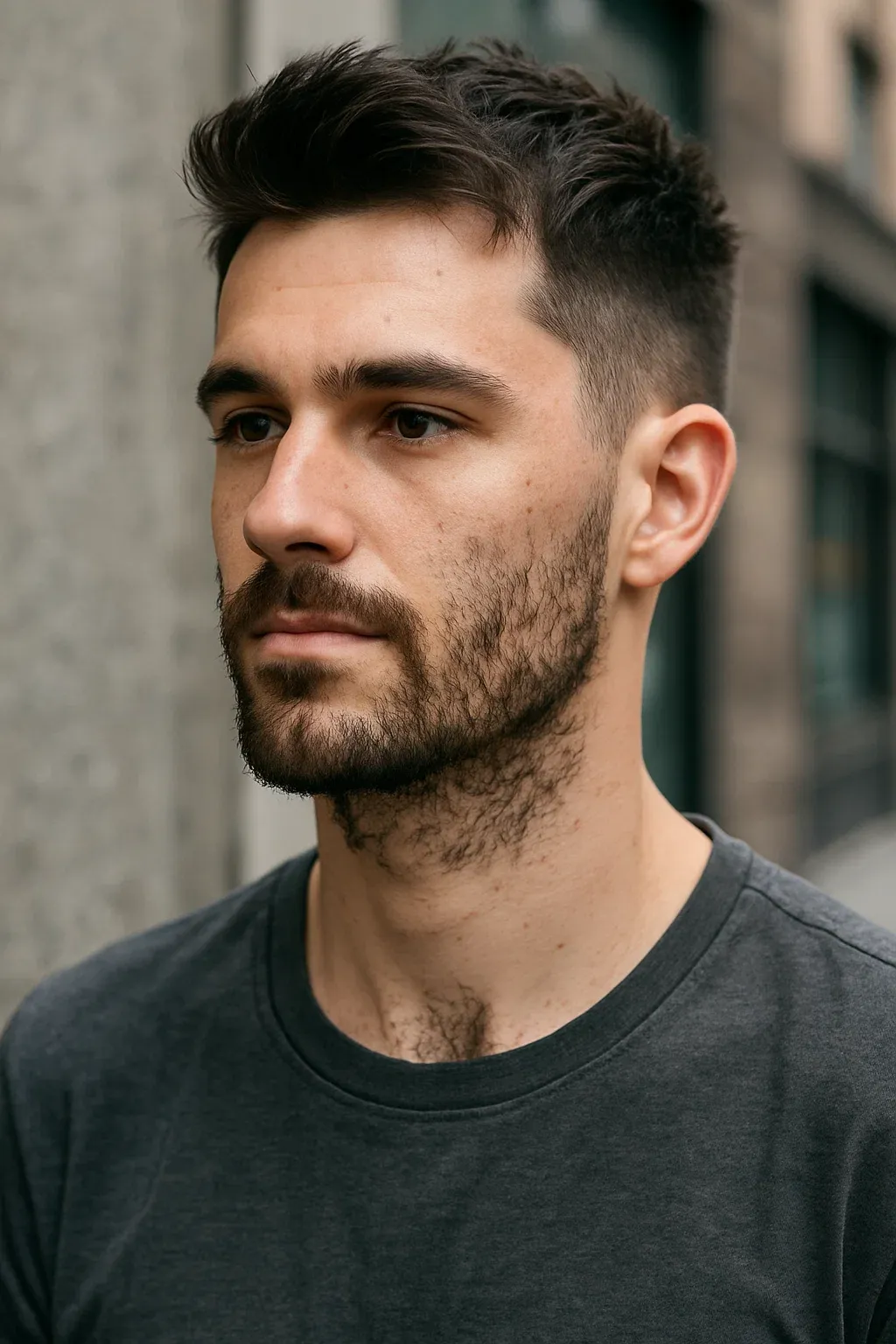
Men dealing with uneven or patchy facial hair growth can still achieve attractive beard styles through strategic planning and appropriate style selection. The strategic goatee focuses growth in areas where hair grows most densely while avoiding sparse cheek areas, creating the appearance of full, intentional facial hair coverage. Partial stubble styles work with natural growth patterns rather than against them, using longer settings in areas with good coverage while keeping sparse areas shorter to create visual consistency. The mustache and soul patch combination bypasses cheek growth entirely while still providing distinctive facial hair character. Professional barbers can help identify which areas of the face produce the best hair growth and recommend styles that work with rather than against natural patterns.
French Beard Styles
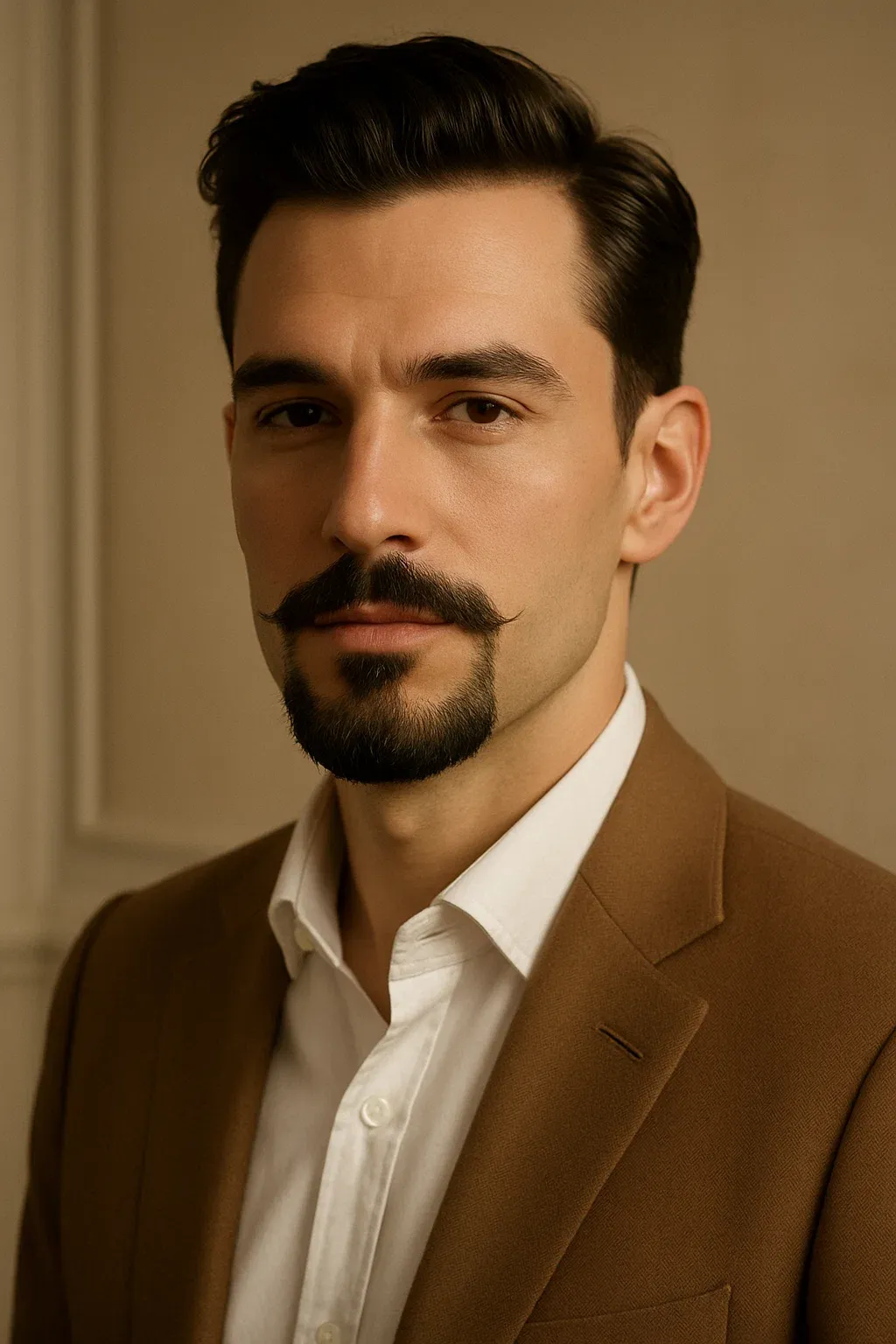
French beard styles, also known as the Imperial or Napoleon III, feature distinctive combinations of mustache and chin hair that create sophisticated, European-inspired appearances. The classic French beard combines a full mustache with a pointed chin beard, typically leaving the cheeks clean-shaven for a refined, intellectual appearance. Variations include the French fork, which features a divided chin beard creating two distinct points, and the French full, which incorporates more coverage while maintaining the characteristic pointed chin shape. These styles require precise trimming and shaping to maintain their distinctive pointed formations and benefit from regular professional maintenance to ensure symmetry and proper proportions. French beard styles work particularly well for men with strong jawlines and complement both casual and formal attire.
Fade Beard Styles
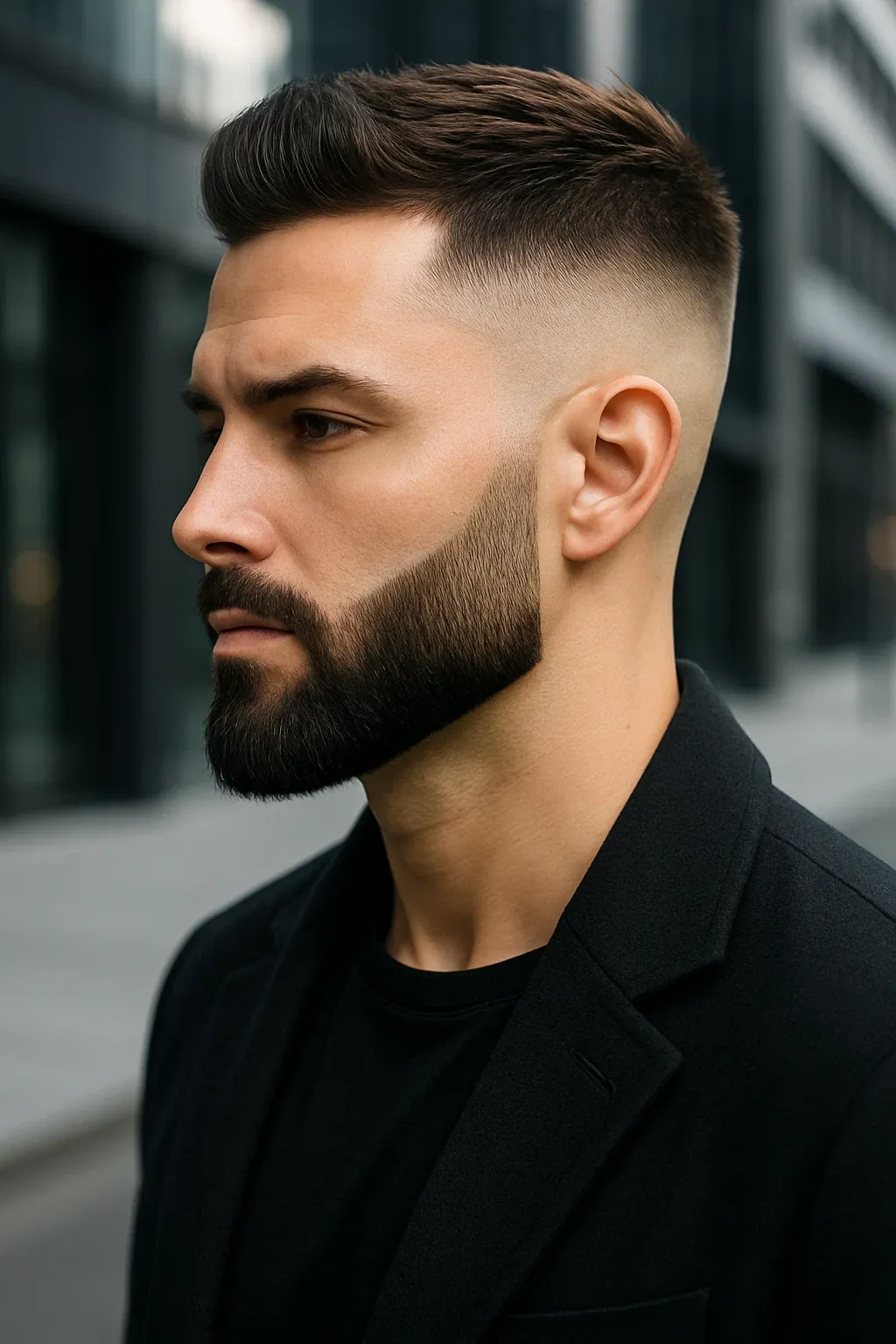
Fade beard styles incorporate barbering techniques traditionally used in haircuts, creating gradual transitions between different hair lengths within the beard itself. The high fade beard features longer hair at the bottom that gradually shortens toward the sideburn area, creating seamless integration with similarly faded haircuts. Low fade beards maintain length through most of the beard while creating subtle transitions near the neck and cheek lines. Skin fade beards take the concept further, transitioning from full beard length down to completely clean-shaven skin in specific areas. These contemporary styles require skilled barber techniques and regular maintenance to preserve their precise gradations, but offer modern, sophisticated appearances that photograph well and complement current men’s fashion trends.
Handsome Beard Styles Men
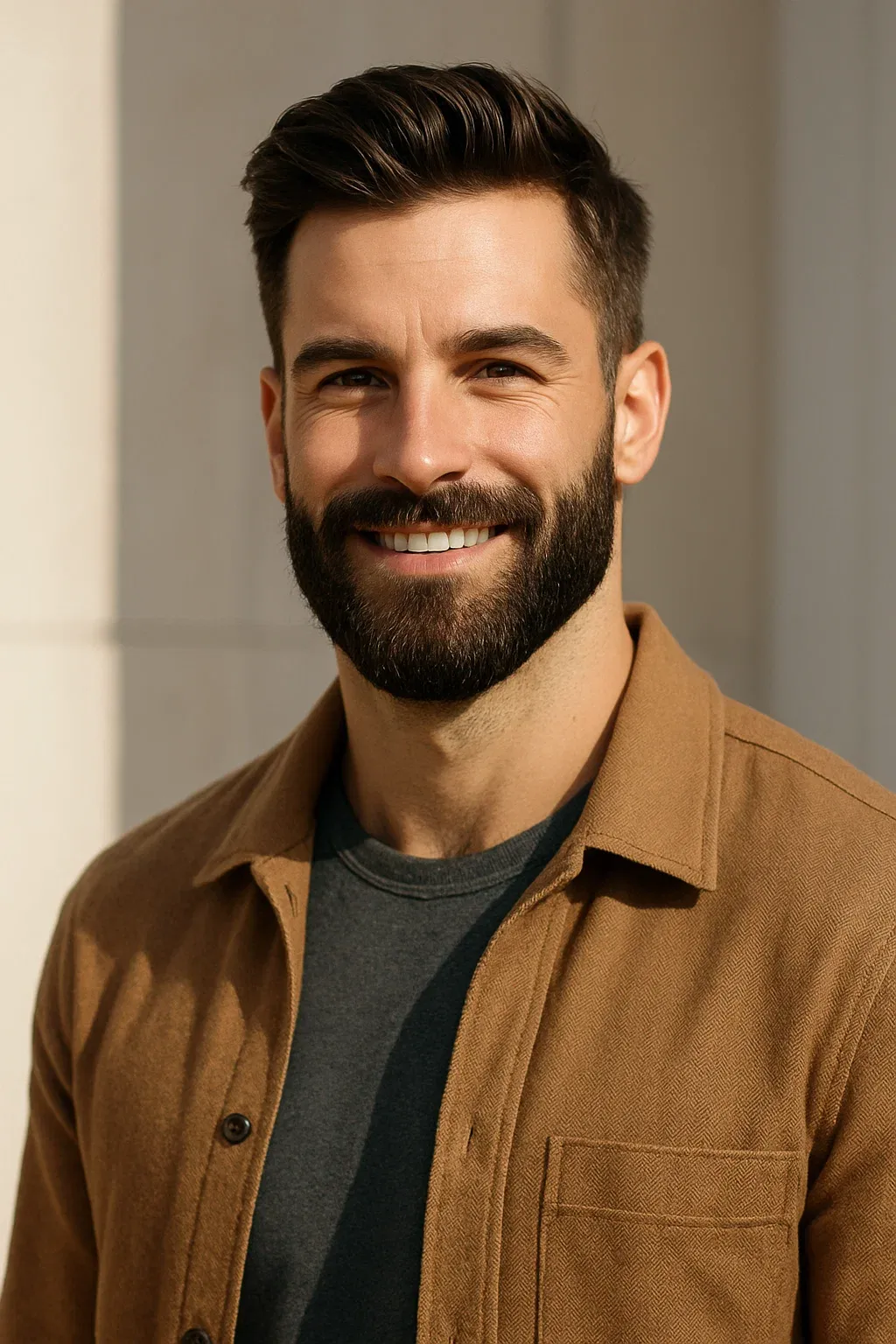
Achieving handsome beard styles requires understanding which looks complement individual features while maintaining excellent grooming standards. The tailored full beard, custom-shaped to enhance jawline and facial structure, consistently ranks among the most attractive options. Well-groomed stubble provides rugged appeal while demonstrating attention to detail through its consistent length and clean edges. The shaped goatee, precisely trimmed to complement face shape and lip proportions, offers sophisticated masculinity suitable for various occasions. Contemporary hybrid styles that combine traditional elements with modern grooming techniques create unique, personalized looks that stand out while maintaining broad appeal. The key to handsome beard styles lies not just in the cut itself, but in consistent maintenance, proper product use, and attention to detail in execution.
Goatee Beard Styles
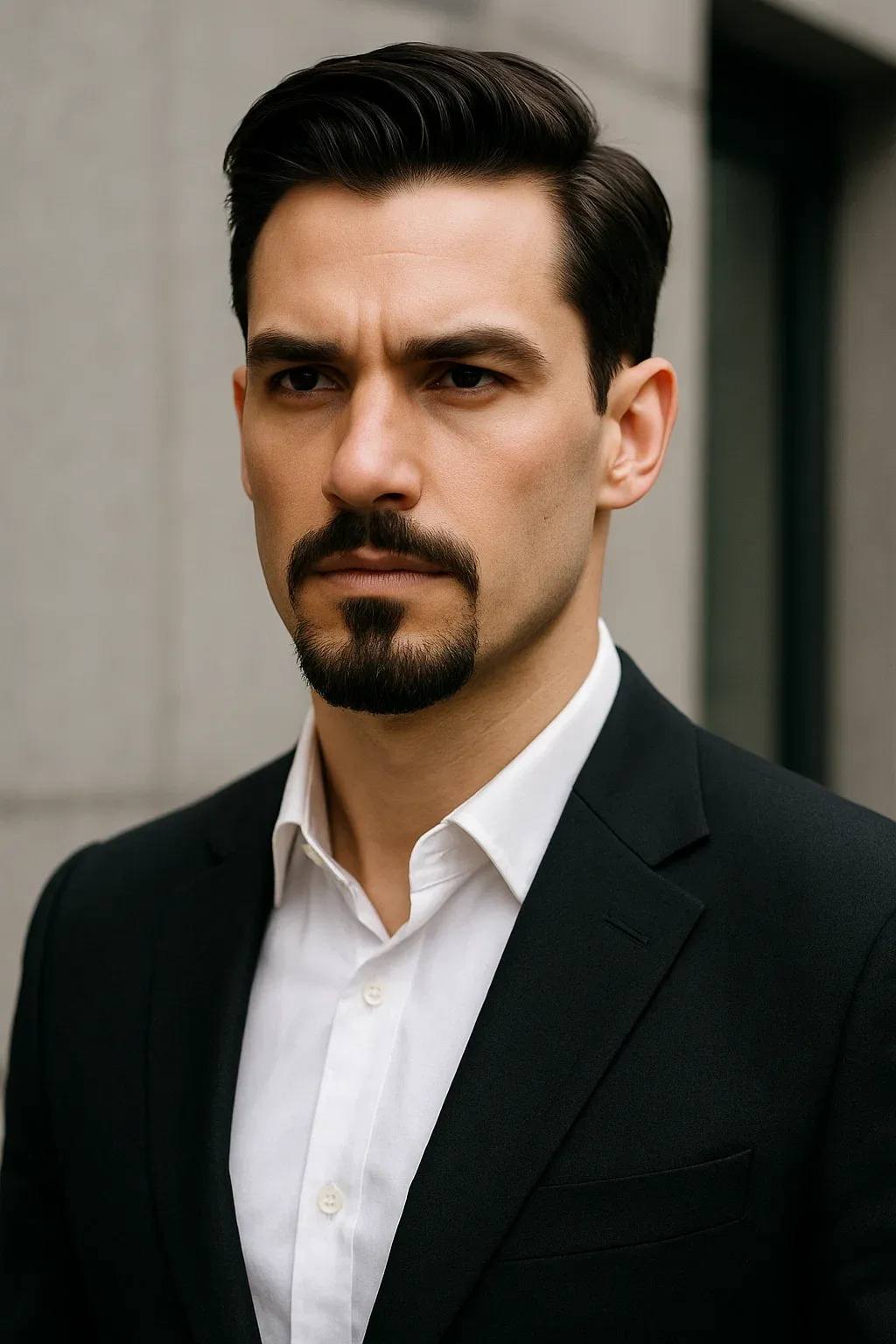
Goatee styles focus hair growth around the mouth and chin area while keeping cheeks clean-shaven, offering versatility for men with various growth patterns and face shapes. The classic goatee covers the chin and connects to the mustache, creating a continuous ring of hair around the mouth that works well for most face shapes and professional environments. The extended goatee incorporates additional coverage along the jawline while maintaining the clean cheek appearance, providing more substantial coverage for men who prefer fuller looks. The Van Dyke variation disconnects the mustache from the chin hair, creating two separate elements that can be individually shaped and maintained. Modern goatee variations include the circle beard, which maintains rounded shapes, and the landing strip, which features a narrow band of hair extending from the lower lip to the chin.
Full Beard Styles
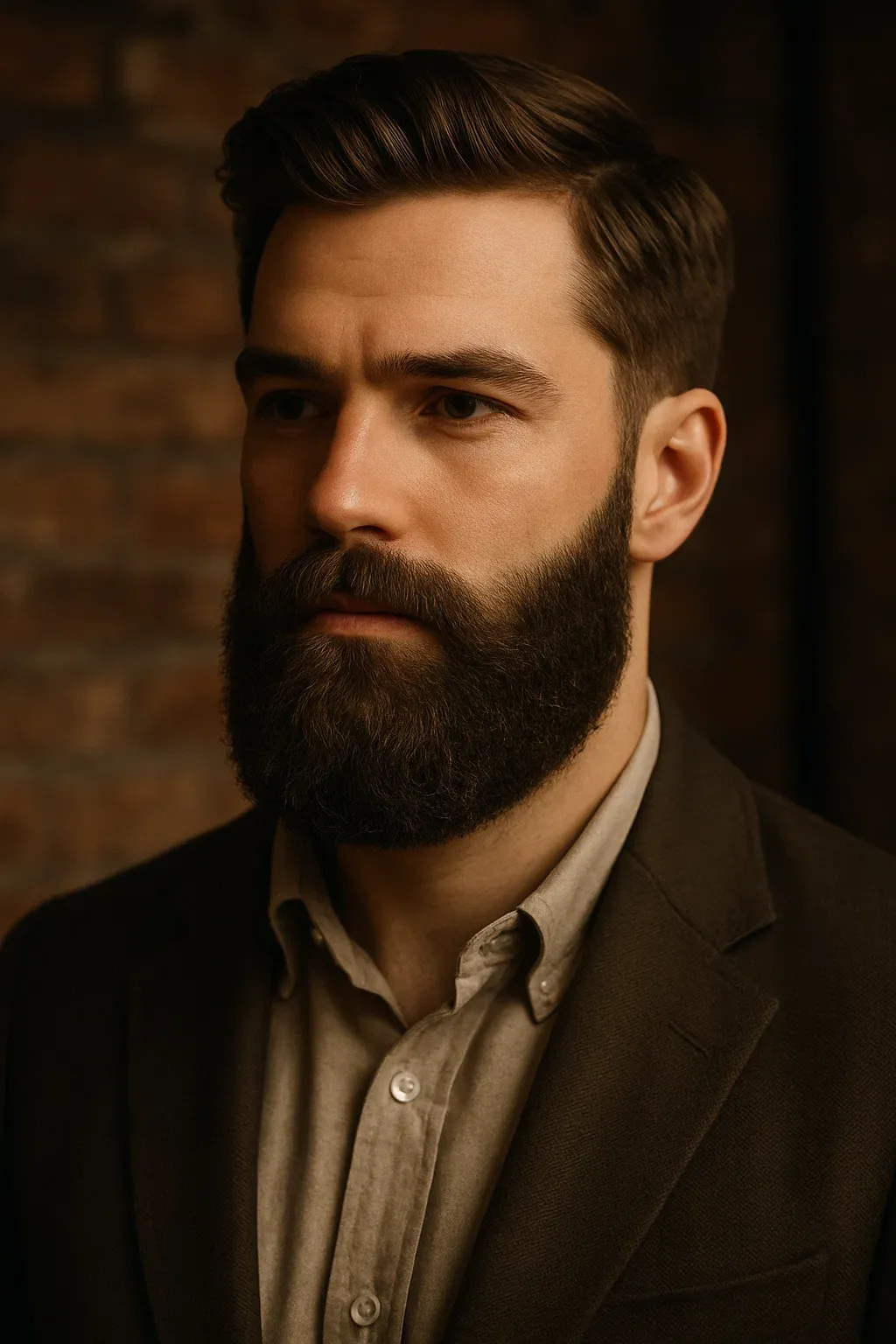
Full beard styles provide complete coverage across the cheeks, jawline, and chin, creating maximum masculine impact and offering numerous styling possibilities. The natural full beard maintains hair’s growth patterns with minimal shaping, appealing to men who prefer low-maintenance approaches while still looking intentional. The shaped full beard incorporates precise trimming and contouring to enhance facial features, create clean lines, and maintain professional appearances. The long full beard extends coverage significantly beyond the jawline, requiring additional care and maintenance but providing dramatic, memorable appearances. Full beards work exceptionally well for men with strong facial features and complement both casual and semi-formal attire when properly maintained and styled.
Circle Beard Styles
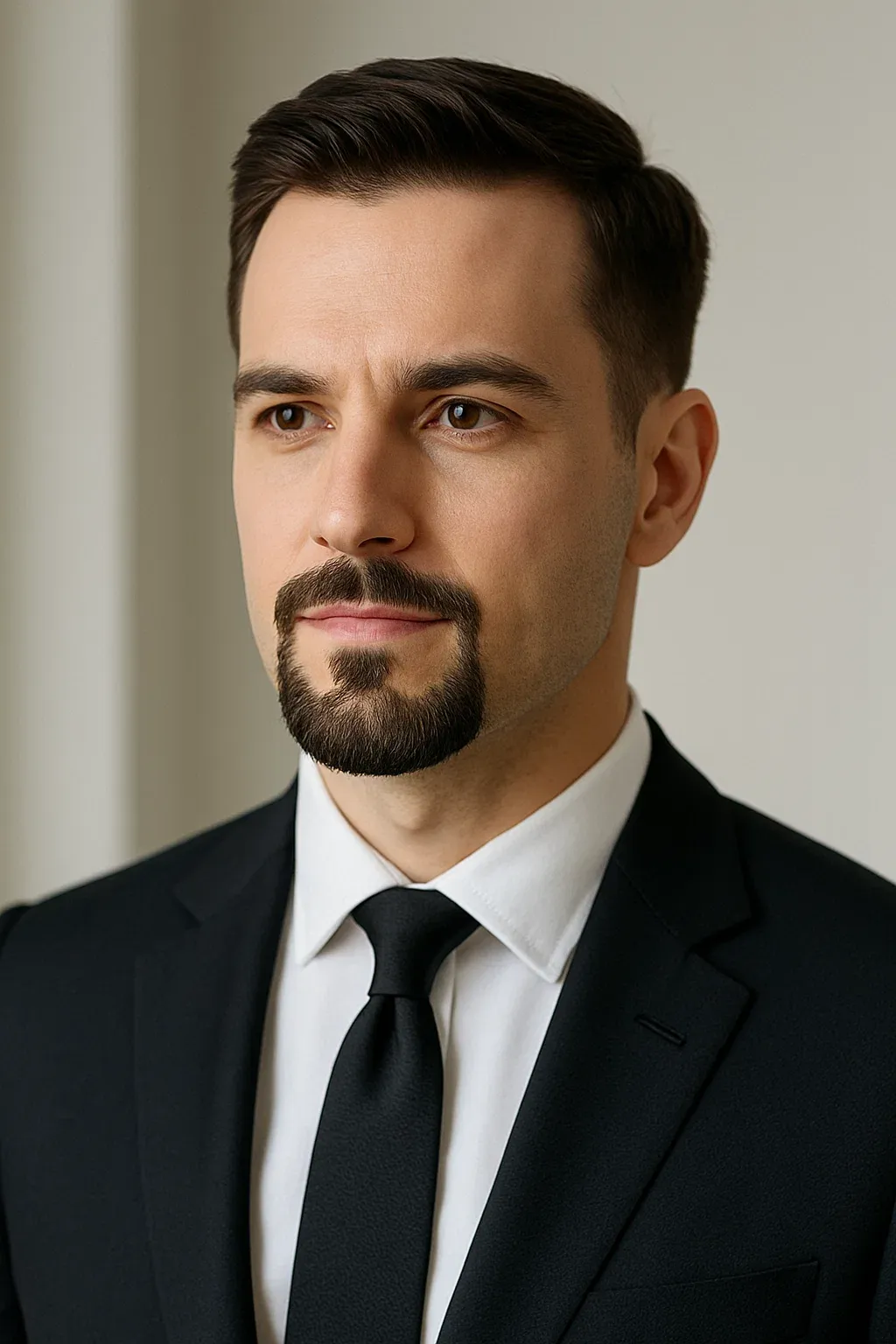
Circle beard styles combine mustaches with rounded chin beards, creating continuous circular patterns around the mouth area while keeping cheeks clean-shaven. The classic circle beard maintains consistent width and length throughout the circular pattern, providing balanced, symmetrical appearances that work well for most face shapes. Thin circle beards feature narrower hair bands that create more subtle effects while still providing distinctive character, making them suitable for professional environments or men who prefer minimal facial hair. Wide circle beards offer more substantial coverage and masculine appeal, working particularly well for men with fuller faces or those who want more dramatic beard presence. Circle beards require precise trimming to maintain their circular shapes and benefit from regular professional maintenance to ensure symmetry and proportion.
Anchor Beard Styles
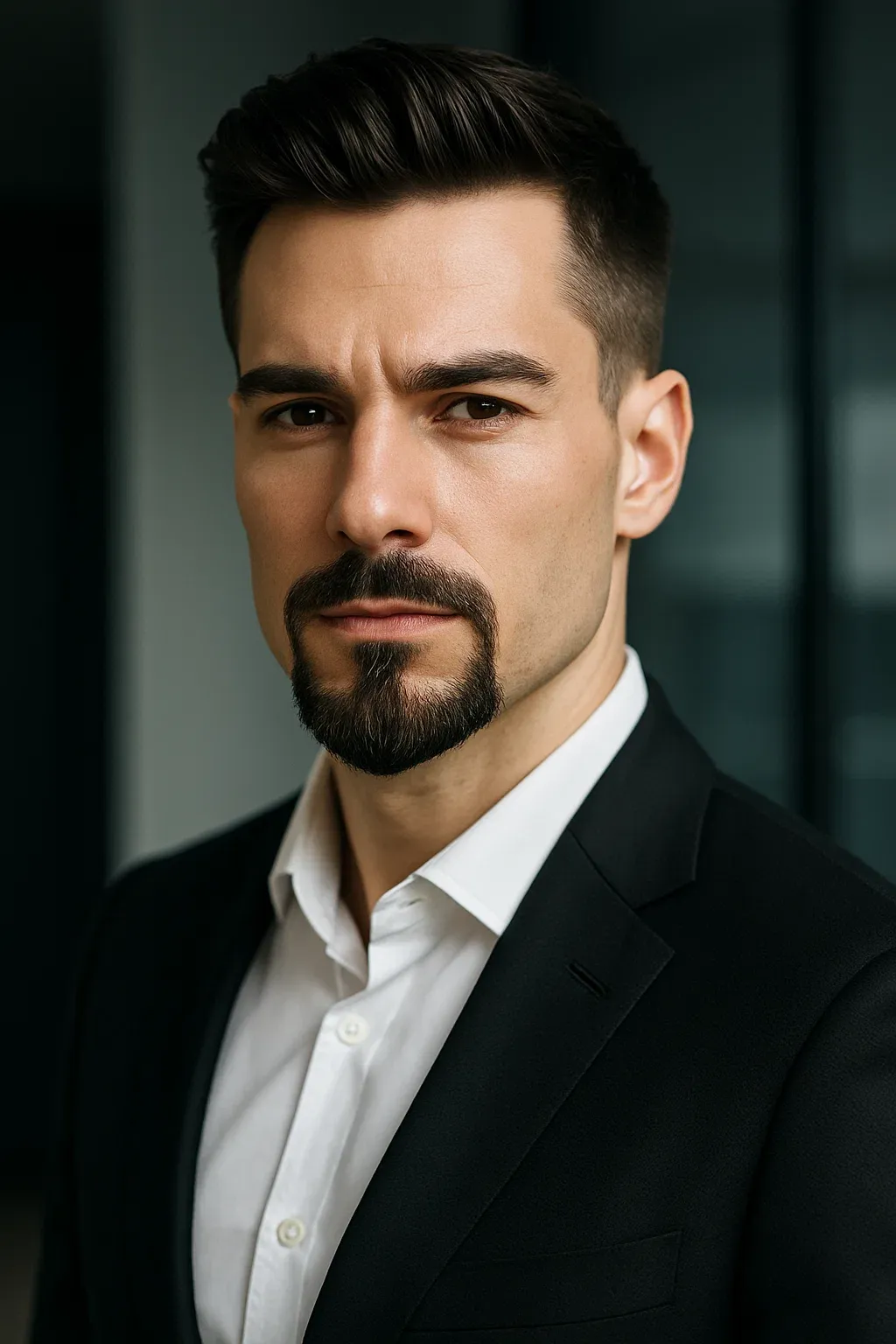
Anchor beard styles feature distinctive shapes that resemble nautical anchors, combining mustaches with pointed chin beards and often incorporating soul patches or connecting elements. The classic anchor beard features a full mustache connected to a triangular chin beard that extends along the jawline, creating the anchor’s characteristic shape. Modern anchor variations include the extended anchor, which incorporates additional jawline coverage, and the minimal anchor, which reduces coverage while maintaining the distinctive pointed shape. These styles require precise shaping and regular maintenance to preserve their distinctive geometric forms. Anchor beards work particularly well for men with square or oval face shapes and complement both casual and business-casual attire when properly maintained.
Van Dyke Beard Styles
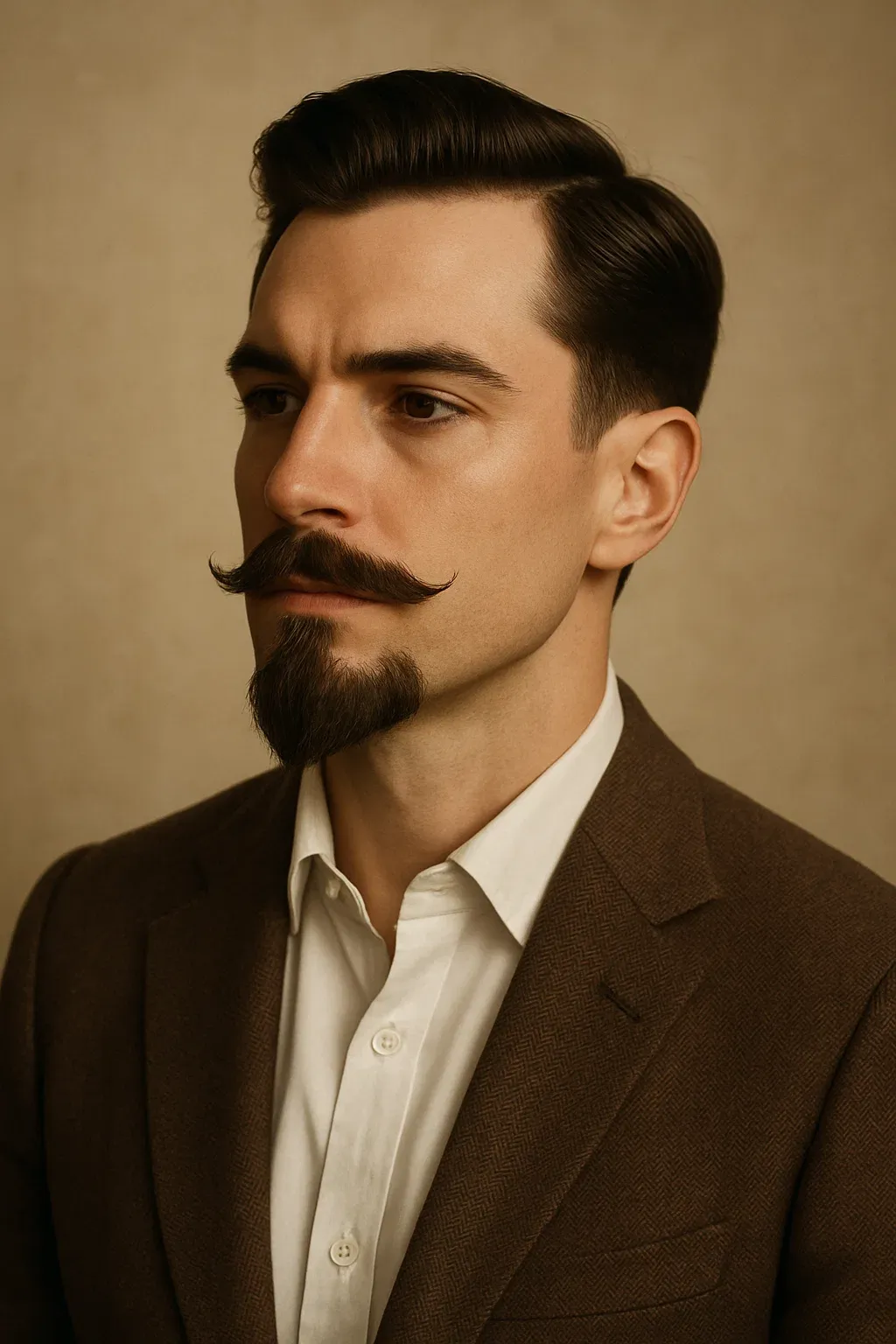
Van Dyke beard styles separate the mustache from the chin beard, creating two distinct elements that can be individually styled and maintained. The classic Van Dyke features a full mustache paired with a pointed chin beard, creating sophisticated, intellectual appearances reminiscent of historical artistic figures. Extended Van Dyke styles incorporate additional chin coverage while maintaining the disconnected mustache element, providing more substantial coverage for men who prefer fuller looks. Thin Van Dyke variations feature narrower mustaches and chin beards, creating more subtle effects suitable for professional environments. These styles require precise trimming and shaping to maintain clean separation between elements and benefit from regular professional maintenance to ensure proper proportions and symmetry.
Balbo Beard Styles
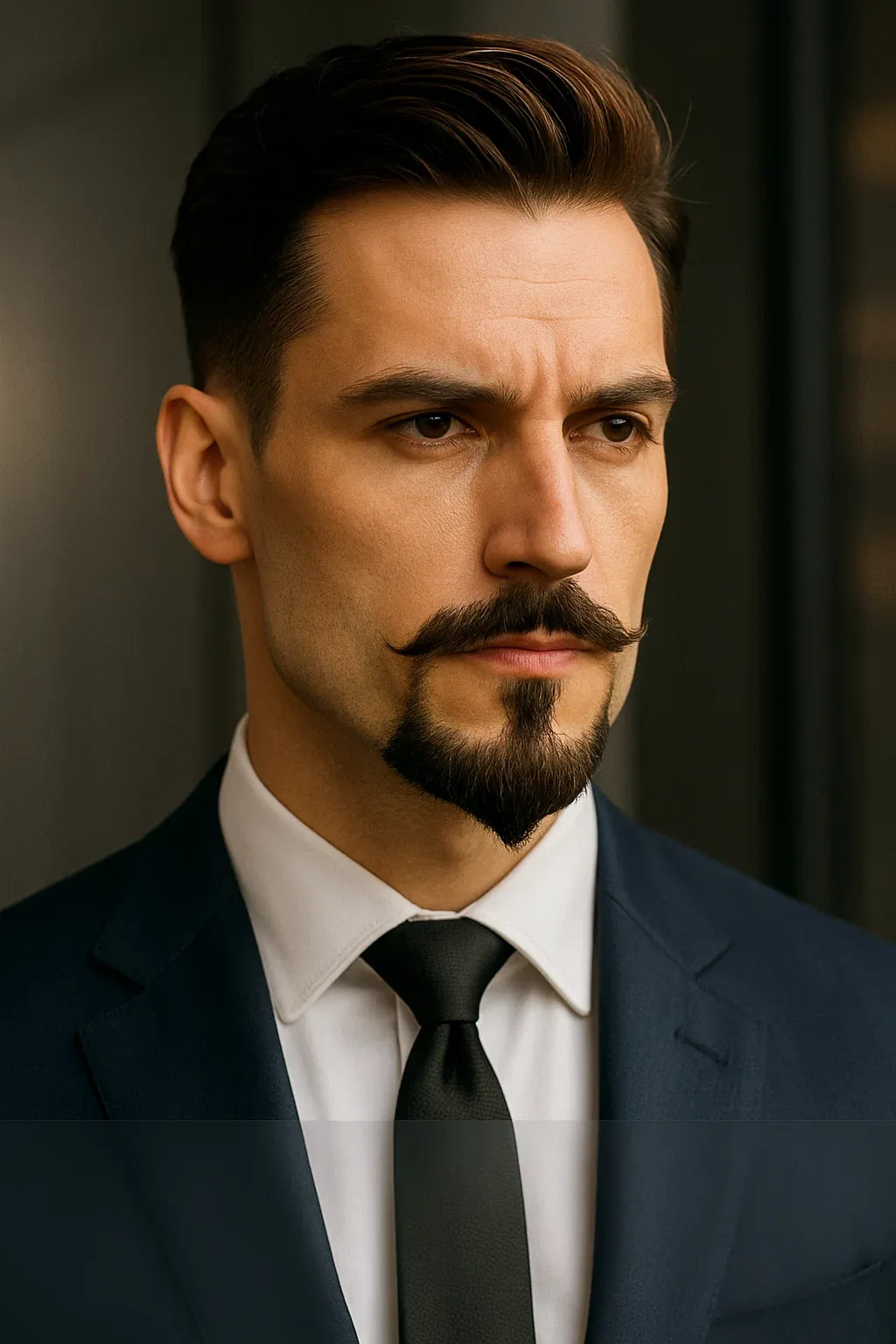
Balbo beard styles feature mustaches disconnected from chin beards that extend along the jawline, creating distinctive patterns named after Italian Air Marshal Italo Balbo. The classic Balbo incorporates a full mustache with substantial chin and jawline coverage while keeping the connection area clean-shaven, providing robust masculine appeal with interesting visual contrast. Extended Balbo styles increase jawline coverage while maintaining the characteristic disconnected mustache, offering more substantial beard presence for men who prefer fuller coverage. Thin Balbo variations reduce both mustache and chin coverage, creating more subtle effects suitable for professional environments or men who prefer minimal facial hair. These styles require skilled trimming to maintain proper proportions and clean separation between elements.
Ducktail Beard Styles
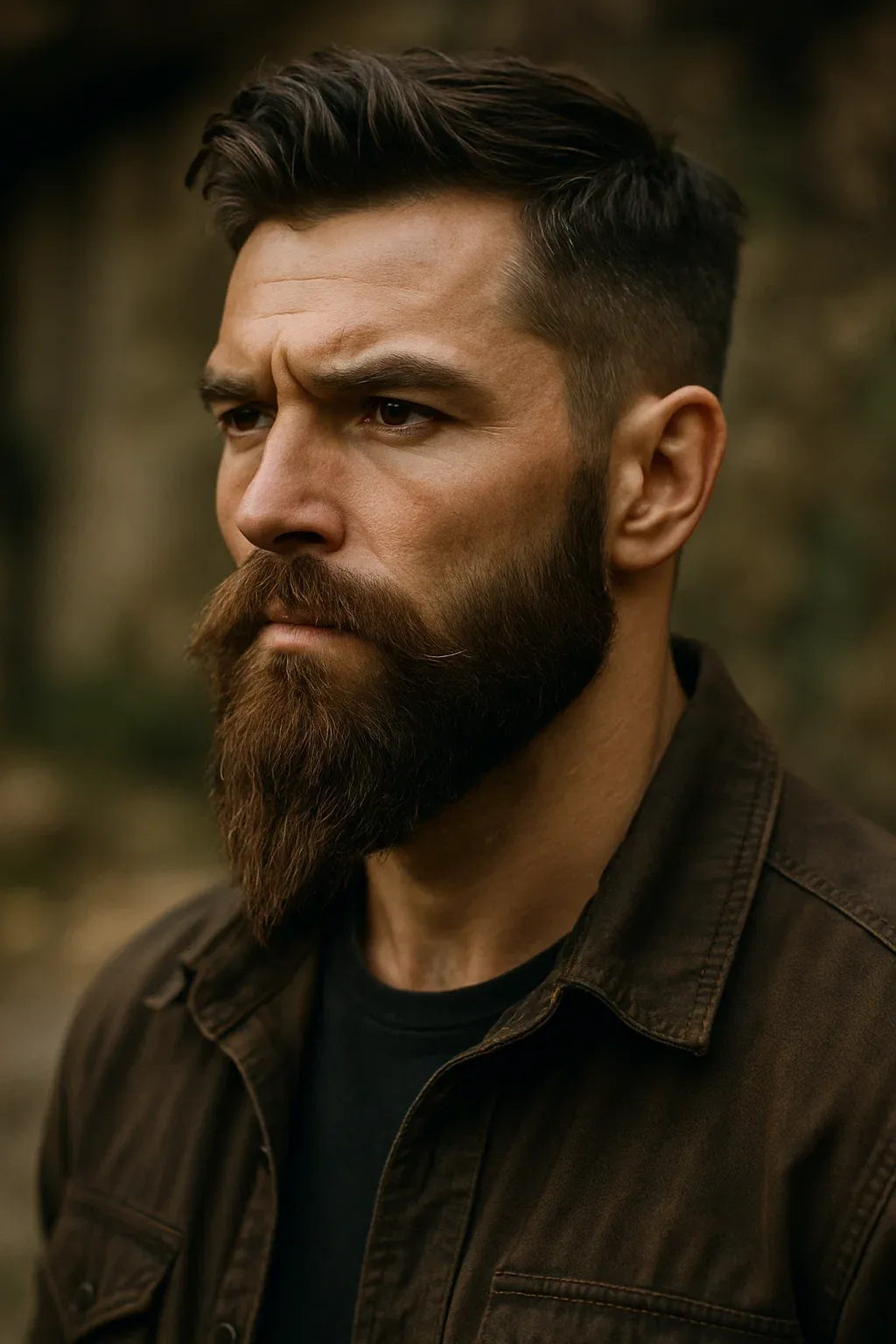
Ducktail beard styles feature pointed, tapered chin areas that resemble duck tails, creating elegant, sophisticated appearances that work well for both casual and formal occasions. The classic ducktail maintains full coverage across the cheeks and jawline while tapering to a distinct point at the chin, providing masculine appeal with refined finishing. Long ducktail beards extend the pointed formation significantly beyond the jawline, creating dramatic, memorable appearances that require additional maintenance and care. Short ducktail styles offer similar shaping in more manageable lengths, making them suitable for professional environments while still providing distinctive character. Ducktail beards require regular trimming and shaping to maintain their pointed formations and benefit from professional maintenance to ensure proper tapering and symmetry.
How to Ask Your Barber for a Beard Style
Communicating effectively with your barber ensures you achieve the desired beard style while avoiding misunderstandings or disappointing results. Begin by bringing reference photos that clearly show the style you want from multiple angles, as visual aids eliminate confusion and provide concrete examples for discussion. Describe your lifestyle and maintenance preferences honestly, allowing your barber to recommend modifications that suit your daily routine and grooming commitment level. Discuss your face shape and any specific concerns about your facial features, enabling your barber to suggest adjustments that will enhance rather than detract from your appearance. Be open about your hair growth patterns, including any patchy areas or unusual growth directions, so your barber can work with your natural characteristics rather than against them. Ask about maintenance requirements, including trimming frequency, recommended products, and at-home care techniques to keep your chosen style looking its best between professional appointments.
Conclusion
Choosing the right beard style represents an individual journey that combines self -realization with practical ideas of lifestyle, maintenance and personal characteristics. The diverse selection of available styles ensures that each man can actually find an alternative that improves his appearance by comforting comfortably in his daily routine. Success with beard styles depends largely on face shape, hair growth patterns and realistic maintenance skills or to understand just trends or to understand the realistic maintenance ability instead of following trends or copying celebrities. Remember that achieving large beards often require patience during the growth process, investing in high quality care and products, and the desire to seek professional help when needed. Whether you prefer a classic appeal of a full beard, sophisticated elegance of a van dike, or a modern edge of a faded style, the key focuses on constant care and expansion. Ultimately, the best beard style is one that makes you feel safe, matches your lifestyle, and reflects your personal aesthetic preferences under complementary to your unique facial features.
Read More : skin fade haircut
Frequently Asked Questions
How many types of beard styles are there?
There are around 30 to 50 beard styles, depending on how you categorize them. Popular ones include full beards, goatees, mustaches, stubble, Van Dyke, anchor, Balbo, ducktail, and many more. New styles keep popping up as trends evolve.
How do you trim different beard styles?
Start by washing and combing your beard. Use a good trimmer with guards to trim evenly, starting with a longer setting. Check symmetry often and use scissors for detailed areas like the mustache. Clean up the cheek and neck lines last. Always trim dry for accuracy.
What are some common beard styles?
Common styles include full beard, goatee, mustache, stubble, Van Dyke, anchor, circle beard, ducktail, and hybrid styles. Each has variations depending on length, shape, and detailing.
How do I choose the right beard style for my face?
Match your beard to your face shape. Oval faces suit most styles. Round faces look better with angular styles that add length. Square faces benefit from softer edges. Ask a barber or use beard apps to try different looks before committing.
How do you shave and shape a beard style?
Use a trimmer to outline the shape, then go in with a razor or unguarded trimmer for clean lines. Focus on the cheeks, neck, and details like the mustache. For tricky styles, sketch the shape first or use a stencil to guide your shave.