
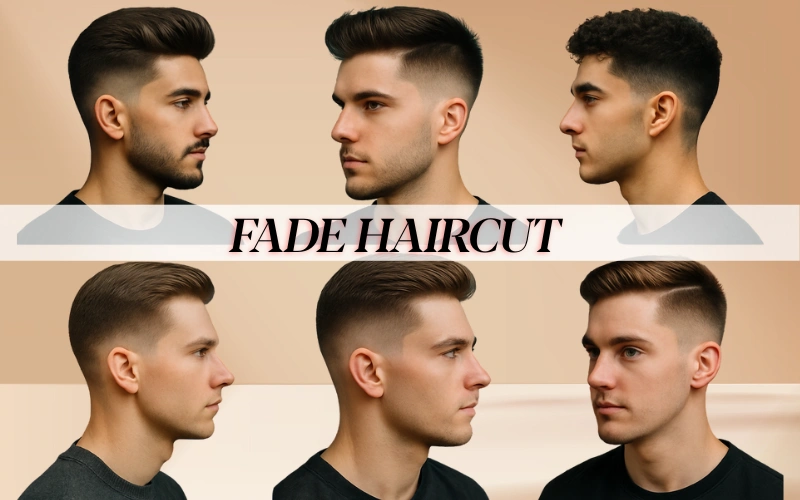
Ever sat in a barbershop chair and watched your barber expertly blend your sides down to the skin, creating that smooth gradient of length that makes you look sharp, confident, and just a little bit dangerous? That, my friend, is the magic of the fade haircut. Whether you’re someone who wants a no-nonsense, low-maintenance cut or you’re a fashion-forward rebel seeking a statement style, the fade has something for you.
Quick Stats:
Here’s a fun little stats table about a very influential person who recently sparked online fade discussions: Travis Kelce — yes, the NFL tight end whose haircut made headlines.
| Metric | Travis Kelce |
|---|---|
| Age | 36 |
| Height / Weight | 6′5″, 250 lbs |
| NFL Seasons | 13 (active) |
| College | University of Cincinnati |
| Career Receptions | 1,045+ |
| Instagram Followers | ~7.9 million |
| Fade Style | High–mid fade (he clarified he didn’t invent it) |
Why mention him? Because when a pro athlete like Kelce clarifies he “didn’t invent” his fade, it sheds light on how enduring and culturally rooted the fade haircut really is.
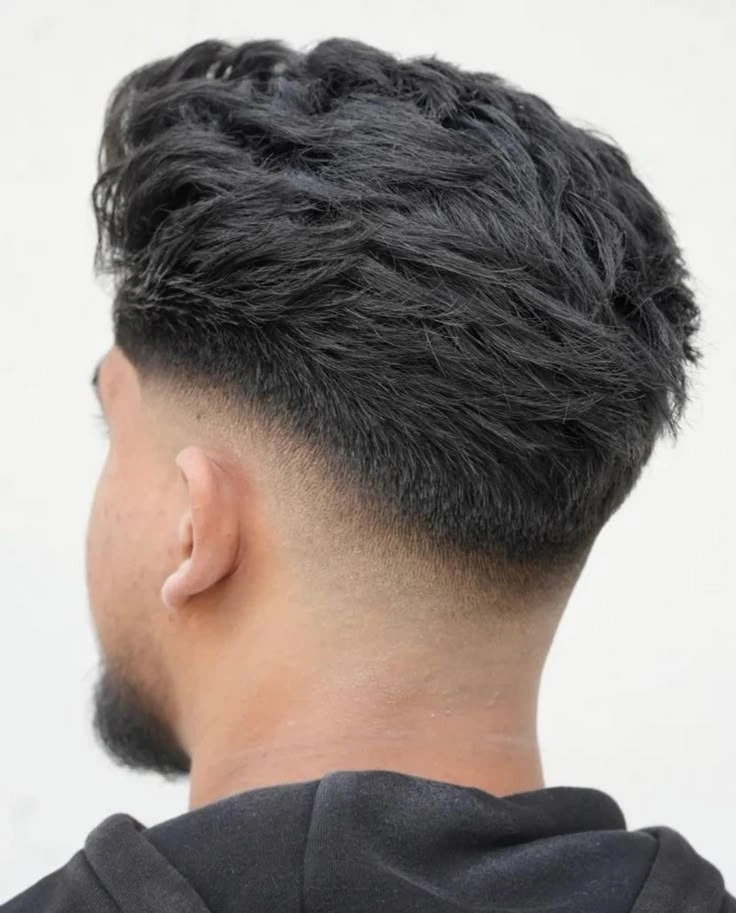
What Is a Fade Haircut?
At its essence, a fade haircut is all about blending: the sides and back of your head are gradually tapered from longer hair at the top to shorter hair, sometimes all the way to the skin. The result? A seamless, sculpted finish.
Unlike a buzz cut, where the hair is uniformly short, a fade gives you contrast and shape. As stylists say, it’s less “just trimmed” and more “artfully faded.”

Why the Fade Haircut Is Exploding in Popularity
Here are seven powerful reasons (yes, seven! Because this style is that good) why the fade haircut is not just a trend — it’s a timeless classic with a modern twist.
1. Insane Versatility
One of the most compelling things about a fade haircut is how adaptable it is. From low fades to high, skin to drop to burst — there’s a version for every face, hair type, and personal style.
Some fade styles you’ll commonly see:
-
Low Fade: Subtle, starting just above the ears. Especially great for more conservative or professional looks.
-
Mid Fade: Balanced and flattering — great if you want contrast but not too extreme.
-
High Fade / Skin Fade: Bold, sharp, and creates a striking contrast by fading almost to the skin.
-
Drop Fade: Curves around the head and dips at the nape — giving a sculpted, curved silhouette.
-
Burst Fade: Focuses around the ear in a semi-circular fade pattern — edgy and stylish.
-
Temple Fade (Brooklyn Fade): Tapers around the temples for a clean, retro-modern look.
Plus, you can pair the fade with almost any top hairstyle: pompadour, quiff, man bun, buzz cut, you name it.
2. Low-Maintenance Yet Clean
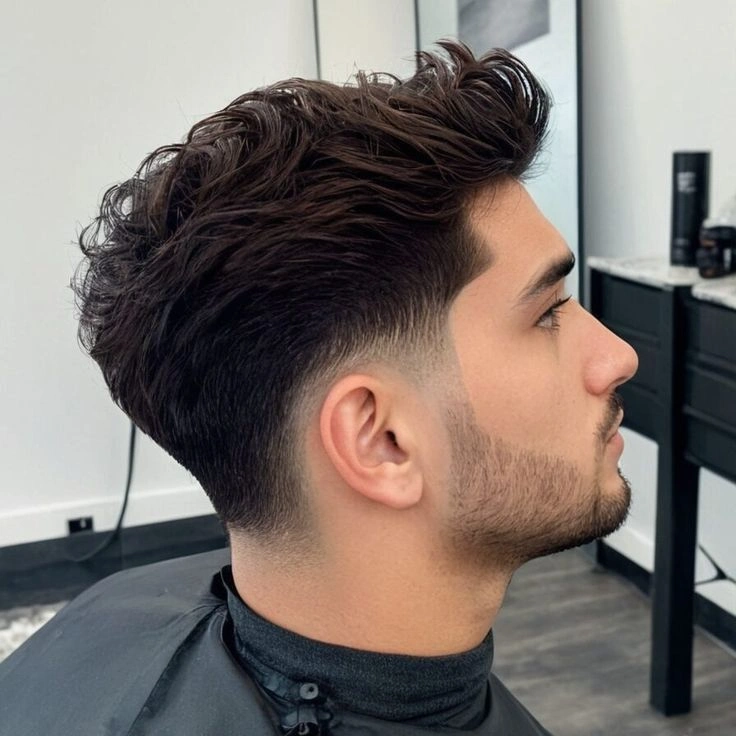
Despite how intricate it looks, a fade haircut can actually be quite practical. Lower-end fades (like low or mid) require less frequent styling, and even high fades — while needing regular touch-ups — are typically neat and clean.
Barbers often recommend coming in every few weeks (e.g., every 3 weeks) to keep the fade crisp. Deepak Jalhan, a creative stylist, notes that the upkeep is important because the cut fades (pun intended) as hair grows.
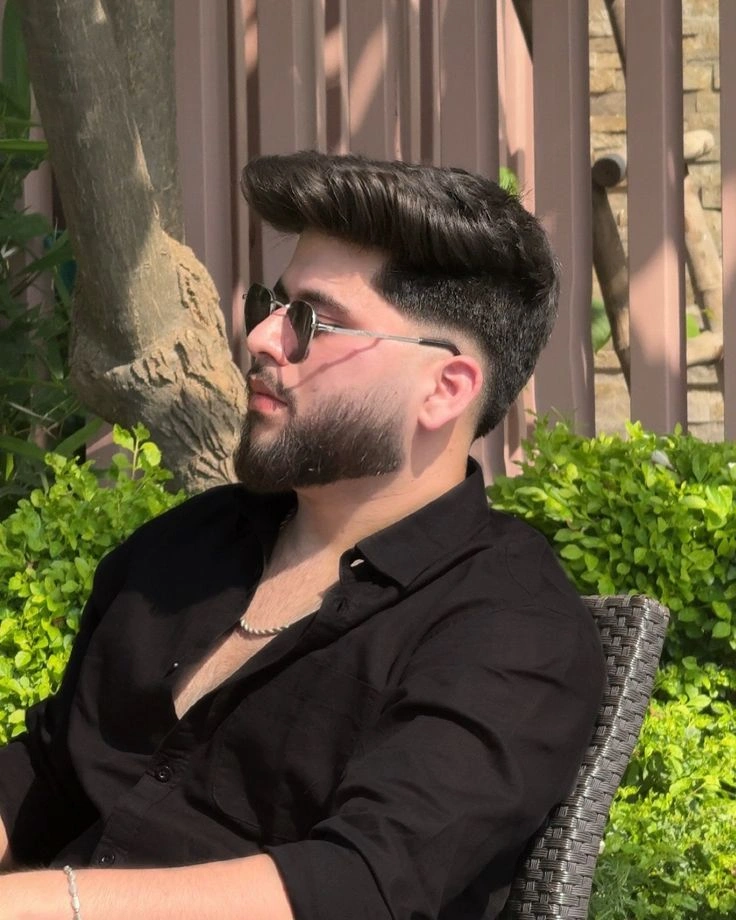
3. Cultural Roots & Historical Resonance
The fade haircut isn’t just a modern phenomenon — it has deep roots in barbershop culture, especially in Black communities. Techniques like tapering and shaping hair have been around for decades.
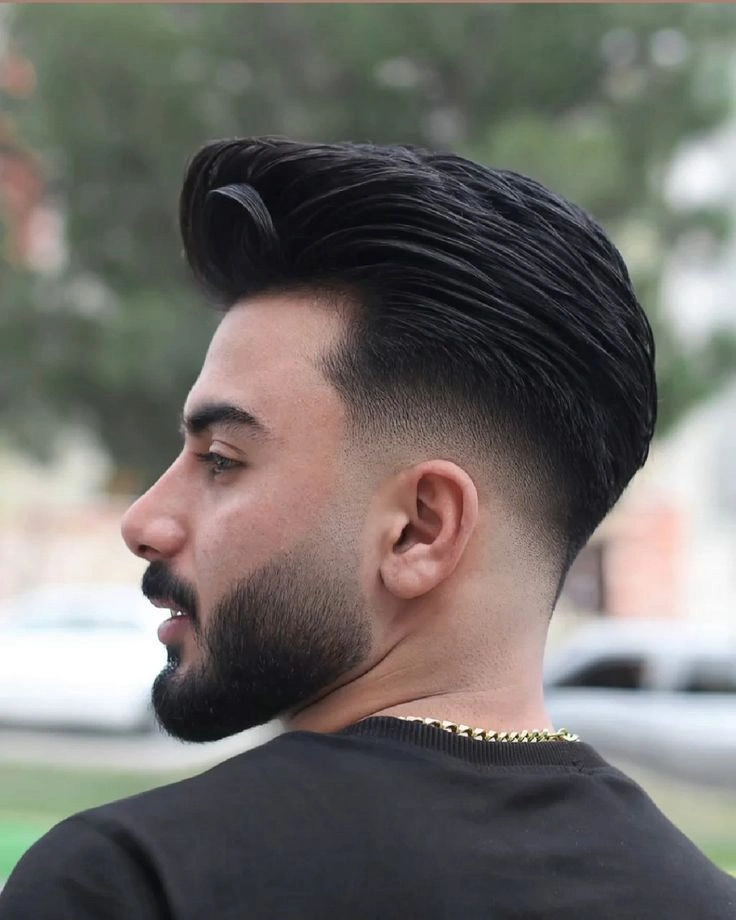
Take, for instance, the hi-top fade, first popular in the 1980s among hip-hop artists. Over time, it evolved into many modern fade variations, each carrying its own cultural story.
4. Global Trend, Local Flavor
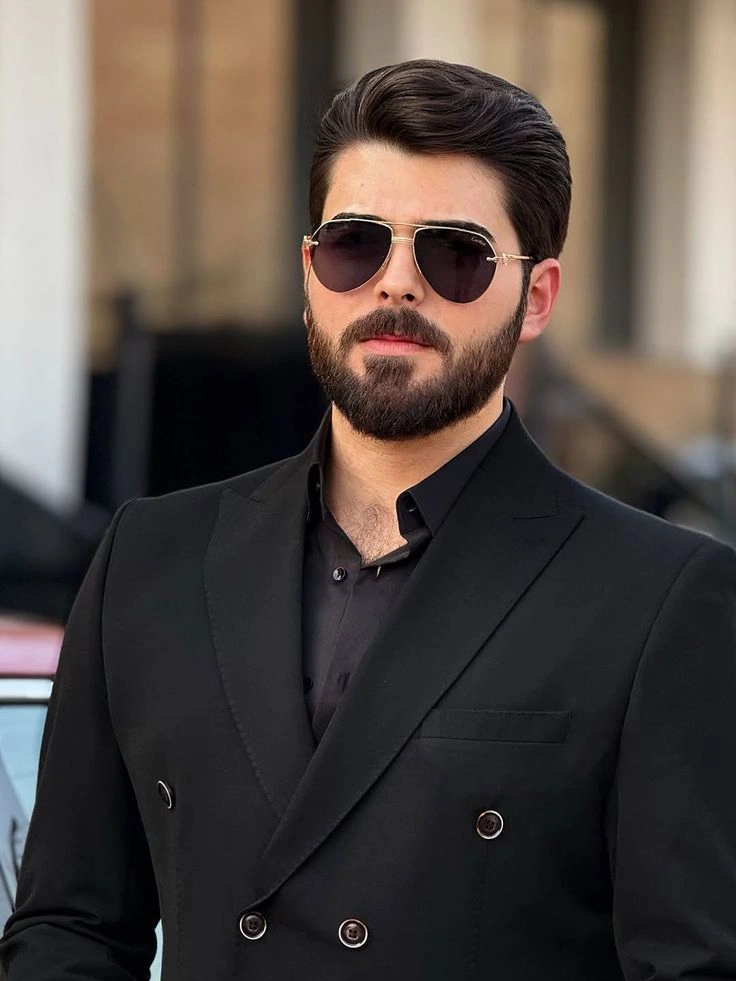
What started in barbershops in big cities has gone global. The fade haircut is now a global grooming staple — from fashion capitals to suburban salons.
In places like India, for example, the fade has become wildly popular thanks to Bollywood stars and modern celebs. Meanwhile, in high-fashion magazines and runway shows, models frequently sport fades to complement edgy or sleek outfits.
5. Pop Culture & Celebrity Approval
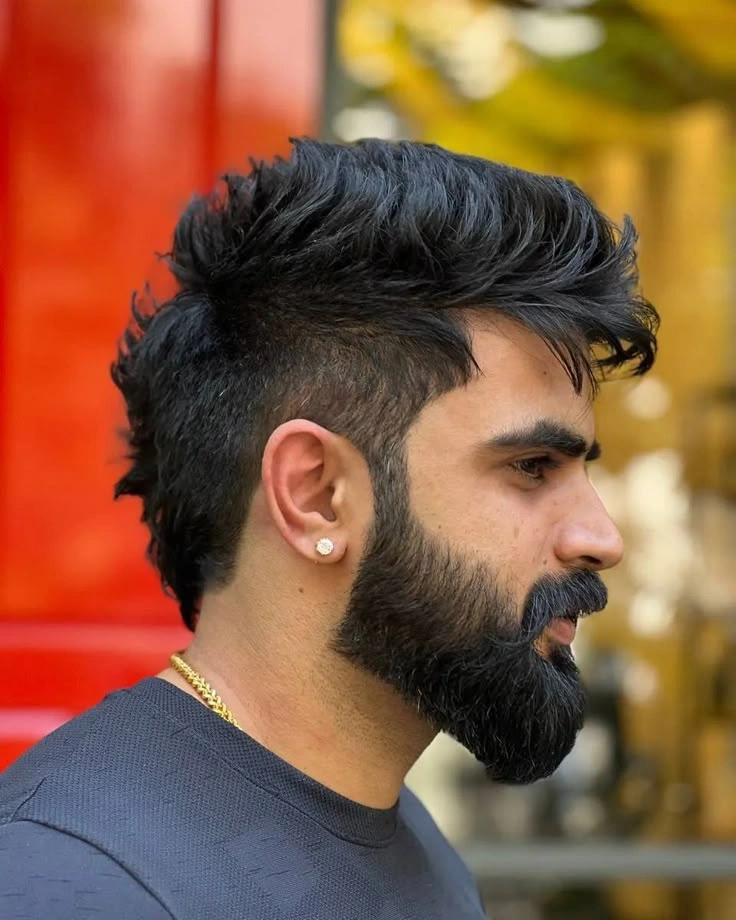
Fades are everywhere — on football fields, on song covers, and even in podcasts. Famous figures like Travis Kelce (yes, again) have helped fuel the trend.
Barbers and influencers on Instagram, TikTok, and YouTube also keep the fade in the limelight with tutorials, transformations, and creative fade designs.
6. Tools & Grooming Innovation
The fade has pushed the grooming industry forward. Modern clippers now come with zero-gap blades, adjustable guards, and special settings tailored for fading.
Brands like Wahl, Andis, Bevel, and others highlight “fade” or “fade master” in their product names — signaling how central this haircut has become.
7. Confidence & Self-Expression
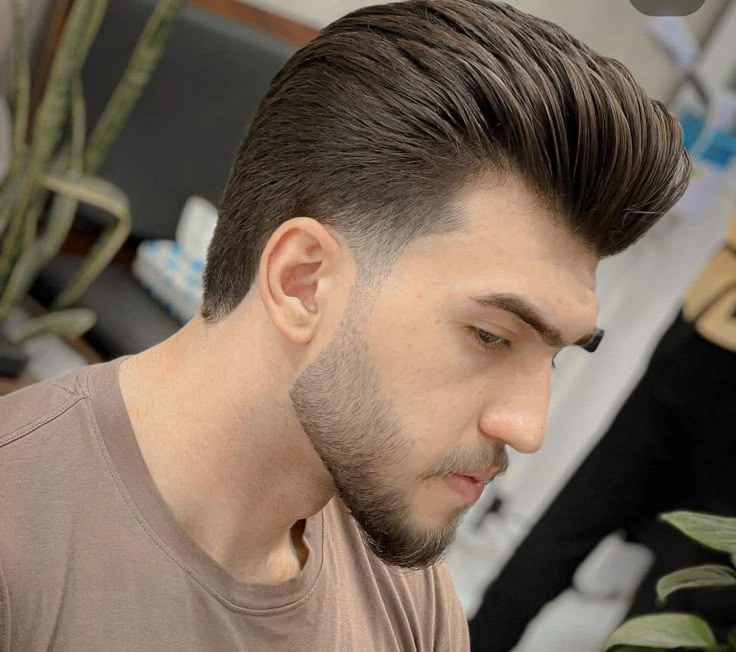
Last but certainly not least: the fade haircut is a confidence boost with personality. Because it shapes your silhouette, defines your hairline, and lets you show off the top hair in a styled way, it’s more than just a haircut — it’s self-expression.
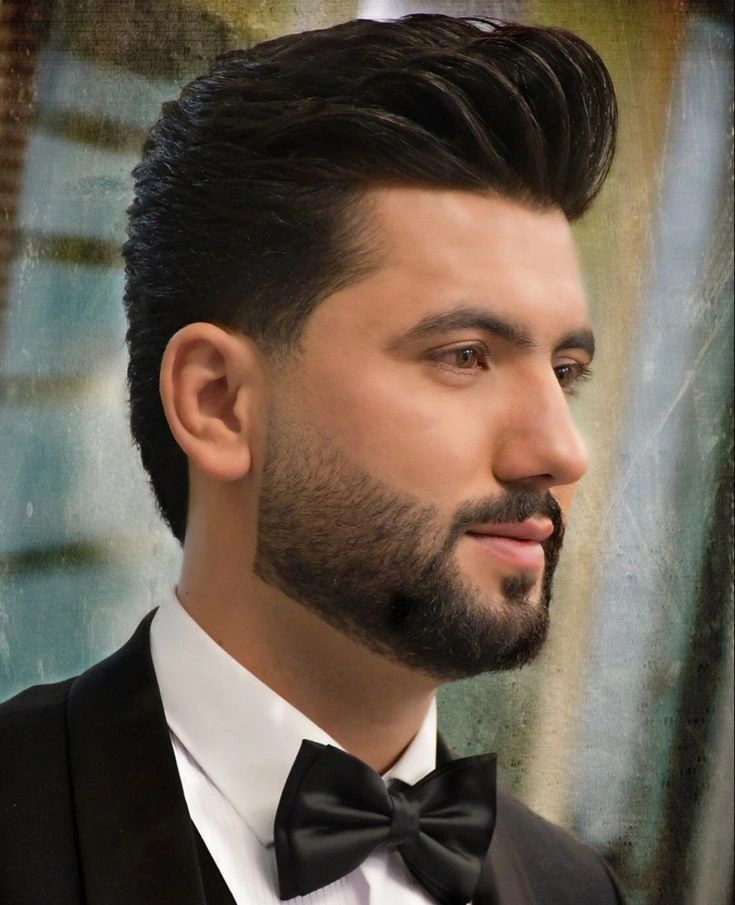
Common Types of Fade Haircuts
Let’s break down the major variants of the fade haircut, plus when and why you might choose each.
-
Low Fade
-
Starts just above the ears
-
Very subtle transition
-
Great for professional settings or if you’re new to fades
-
-
Mid Fade
-
Balanced fade beginning around the temples
-
Flattering for most face shapes
-
Allows contrast without being too daring
-
-
High Fade / Skin Fade
-
High up on the head, often fading down to the skin
-
Striking contrast and sharp edges
-
Excellent with more dramatic tops like pompadours or textured crops
-
-
Drop Fade
-
Fades in a curved line that drops at the back of the head
-
Sculpted, tailored look
-
Very flattering if you want shape around the nape
-
-
Burst Fade
-
Focuses fading around the ear in a semi-circular burst pattern
-
Often paired with mohawks, textured tops, or curly hair
-
Gives a sculptural, artistic touch
-
-
Temple (Brooklyn) Fade
-
Tapering around the temples and sideburns
-
Retro, clean, and classic
-
Popular in urban barbershop cultures
-
-
Hi-Top Fade
-
Very high top hair with the sides faded
-
Iconic ’80s hip-hop look
-
Recently resurged in modern fashion
-
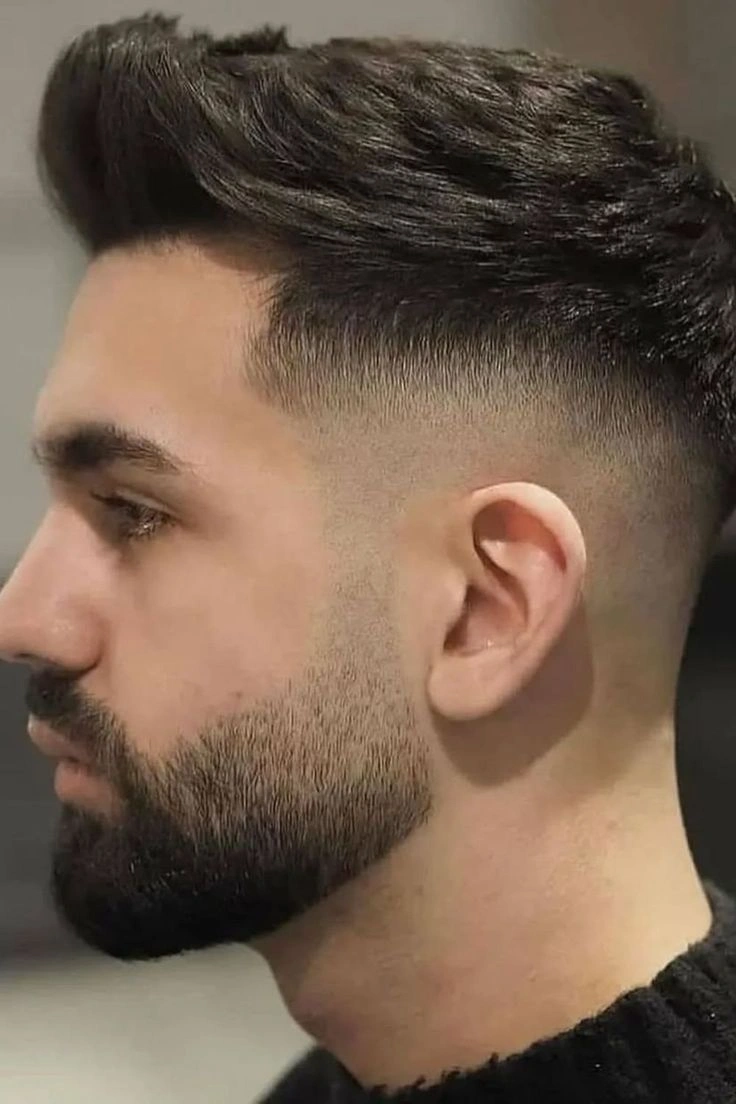
Maintenance & Aftercare
A fade haircut looks amazing, but it’s a bit like a fine wine — best when cared for properly. Here’s how to keep it sharp:
-
Regular trims: To maintain the gradient, go back to the barber every 2–4 weeks.
-
Wash smart: Use a gentle shampoo for your scalp — fades can expose more skin.
-
Moisturize: Skin fades especially might reveal dry scalp. A light moisturizer helps.
-
Use the right tools: If you’re trimming at home, invest in a good trimmer with adjustable guards.
-
Protect at night: If you’ve got a very tight fade, consider a silk/satin pillowcase or durag to avoid ridges.

Cultural Notes & Sensitivity
While the fade haircut is universal, it’s important to acknowledge its roots. Fading and tapering techniques come from traditional barbering in Black communities. Historically, these haircuts were part of barbershop culture that shaped identity, pride, and social spaces.
When asking for designs or very tight fades, it’s respectful to choose barbers who understand textured hair and cultural context. After all, styles have deep cultural lineage.
Conclusion
Alright, style champ — here’s the bottom line: the fade haircut isn’t just a haircut. It’s a statement. A canvas. A crafted piece of art that lets you define your edges — both literally and figuratively.
From its rich cultural roots and global appeal to its versatility, low maintenance (relatively), and ability to pair with practically any top hairstyle — there’s a reason fades are everywhere. And when done right, the fade is more than a trend: it’s timeless.
Read More: Virat Kohli Hairstyle, Zayn Malik Hairstyle,Mens Haircuts, Henry Cavill Hairstyles
Frequently Asked Questions
Q1. How often should I get a fade haircut?
A: Ideally every 2–4 weeks for the sharpest look, though it depends on how fast your hair grows and how tight the fade is.
Q2. Will a fade haircut work with curly or Afro-textured hair?
A: Yes, absolutely! Fades are versatile and can be tailored to suit curly or coily hair. Many barbers are highly skilled with textured hair fades.
Q3. Does a fade haircut damage hair?
A: Not inherently. But close fades may expose skin that can dry out or get irritated. Use gentle shampoo and moisturize.
Q4. How much does a fade haircut cost?
A: It depends on your barber/salon and location. Since fades require precision and regular maintenance, they may cost more than a simple trim.
Q5. How do I communicate exactly what fade I want?
A: Bring reference photos, tell your barber where you want the fade to start (low/mid/high), how tight the fade should be, and how you style the top.
Explore More Blogs at Caption Frame